The procedure for electing a new Patriarch of the Georgian Orthodox Church: rules and regulations
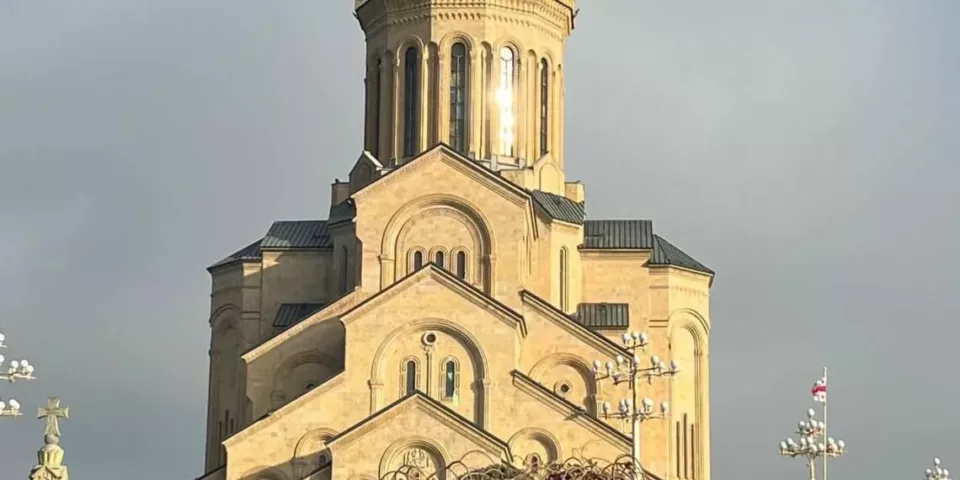
The Georgian Orthodox Church follows a well-established procedure for electing its Primate, which involves a multi-stage process of candidate selection and voting. According to the Statute on the Governance of the GOC, the Locum Tenens of the Patriarchal Throne is obliged to convene an Extended Council within forty days to two months after the vacancy of the patriarchal cathedra. This is reported by the Orthodox Times.
The process begins with a meeting of the Holy Synod, the purpose of which is to select three candidates for subsequent voting at the Extended Council. Each member of the Synod has the right to nominate one candidate, including his or her own. The three bishops who receive the highest number of votes are placed on the final list. If in the first round none of the candidates gains an absolute majority, a second vote is held among the two leaders of the list.
There are strict criteria for the candidate for the post of Patriarch of Georgia: he must be a Georgian by nationality, a bishop of the Georgian Church, have the status of a monk and have a higher theological education. In addition, the candidate must have significant experience in managing church structures and be between 40 and 70 years of age. The voting procedure at the Extended Council is closed and only bishops are entitled to participate in it. Whoever receives more than half of the votes of the hierarchs present is elected.
This procedure was approved at the Thirteenth Extended Council in Svetitskhoveli Cathedral in September 1995. Until the election of a new head of the Church, the management of the GOC is exercised by the Locum Tenens of the Patriarchal Throne. This honorary duty has been performed by Metropolitan Shio (Mujiri) since November 23, 2017.
Let us recall that on March 17, 2026, Catholicos-Patriarch of All Georgia Ilia II passed away at the 93rd year of his life. The death of the outstanding spiritual leader, who led the Church for almost half a century, was officially confirmed by Metropolitan Shio (Mujiri) of Senaki and Chkhorotskui, the Patriarchal Sublate.
Read also