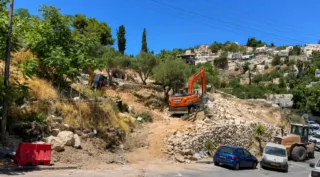
Some 150 Israelis entered the grounds of the Al-Aqsa Mosque in Jerusalem, sparking an international protest
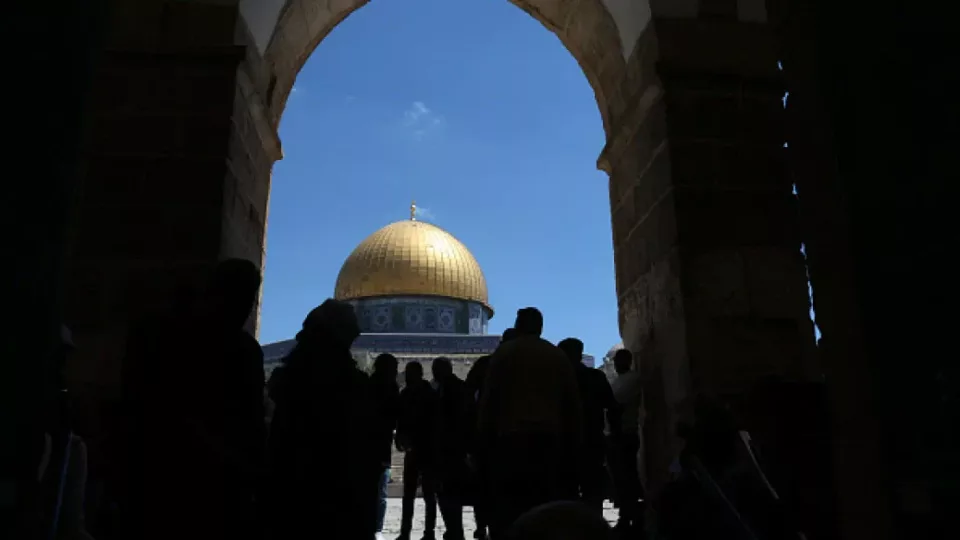
In Jerusalem, an incident involving some 150 Israeli settlers conducting religious rituals accompanied by police took place at the Al-Aqsa Mosque shrine compound. The event, which coincided with Israel’s Independence Day celebrations, prompted a sharp diplomatic response from eight Muslim states that insist on preserving the historical and legal status of the shrine.
According to THE NEWARAB, on April 21, 2026, a group of radicalized individuals entered the compound through the Maghreb Gate under heavy Israeli police guard. The protesters, affiliated with the Temple Mount movement, unfurled Israeli flags and performed public prayers, including the so-called “epic prostrations.” According to the Palestinian agency WAFA, the main actions took place in the eastern part of the compound, as captured in videos circulating on social media.
In response to these actions, the foreign ministers of Jordan, Egypt, UAE, Saudi Arabia, Qatar, Turkey, Pakistan, Qatar and Indonesia issued a joint statement on April 23. The document emphasized that the entire mosque area of 144 dunams is a place of worship exclusively for Muslims. The diplomats recalled that the Jerusalem Waqf under the Jordanian Ministry of Waqf has exclusive jurisdiction in managing the mosque and regulating access to its grounds.
Despite the fact that the Israeli authorities qualify such events as visits to the Temple Mount, the post-1967 status quo officially prohibits non-believing Muslims from praying there. The Palestinian side and international observers note that in recent years these norms are actually ceasing to be observed, which leads to increased tension in the region.
Recall, American journalist Tucker Carlson said that a significant number of Israeli soldiers, including American volunteers, are involved in combat operations to restore the Third Temple. Carlson backed up his claims by analyzing the patches on the uniforms of IDF soldiers, which, according to him, depict the symbol of the temple, as well as quotes from soldiers about the purpose of their participation in the conflict.
Read also