The number of pilgrims to Mount Athos has increased by a third, altering the region’s demographic makeup and economic dynamics
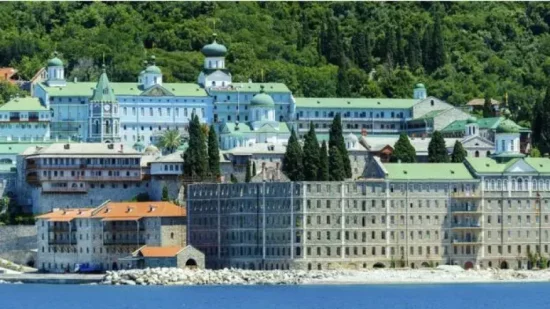
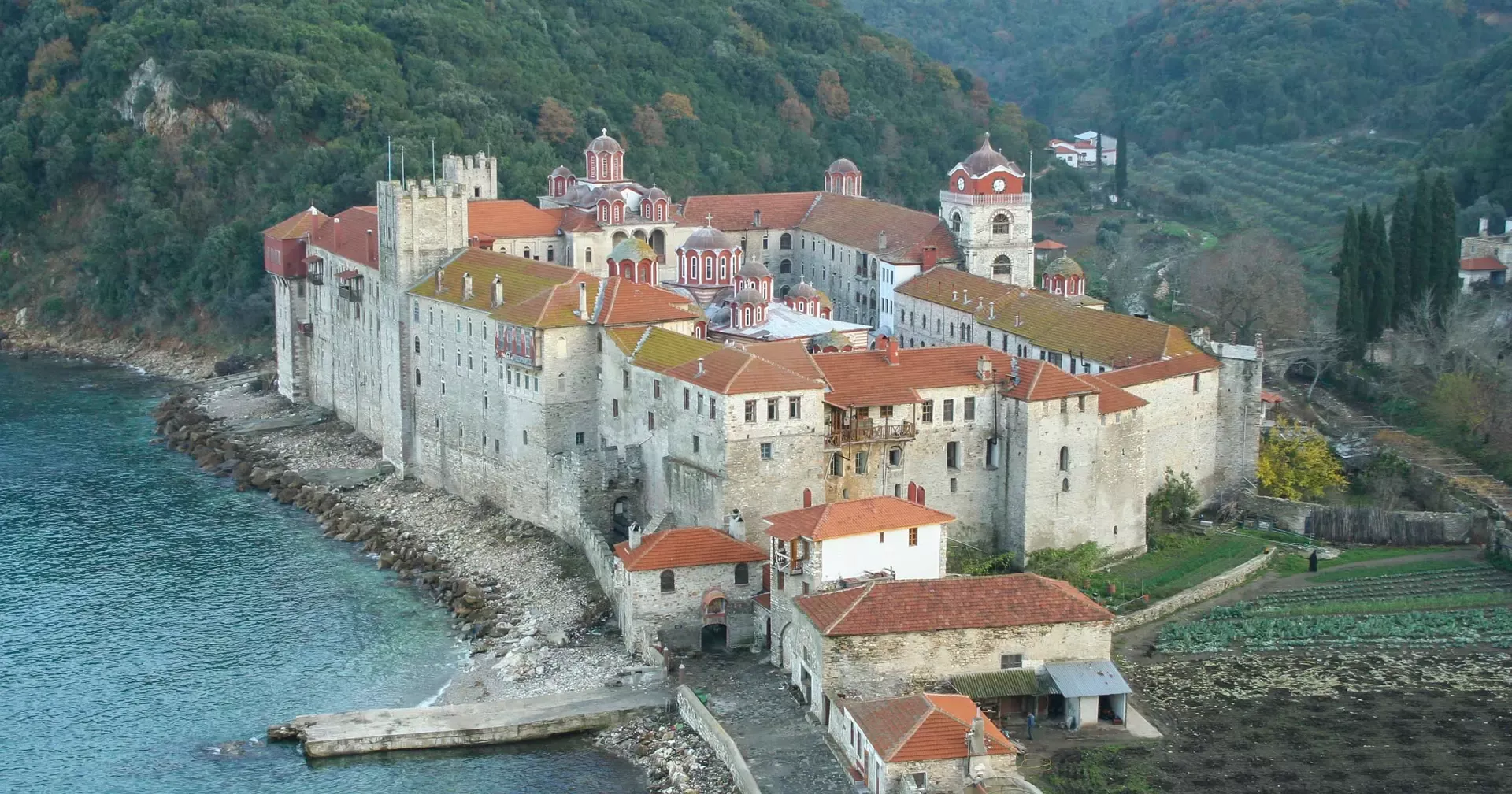
Since the beginning of 2026, the number of pilgrims visiting Mount Athos has increased by 30% compared to the same period last year, exceeding 163,000 people. Romanian citizens have become the leading group in terms of visitor numbers, which has significantly altered the revenue structure of local shops and necessitated the urgent modernization of port infrastructure in Uranopolis.
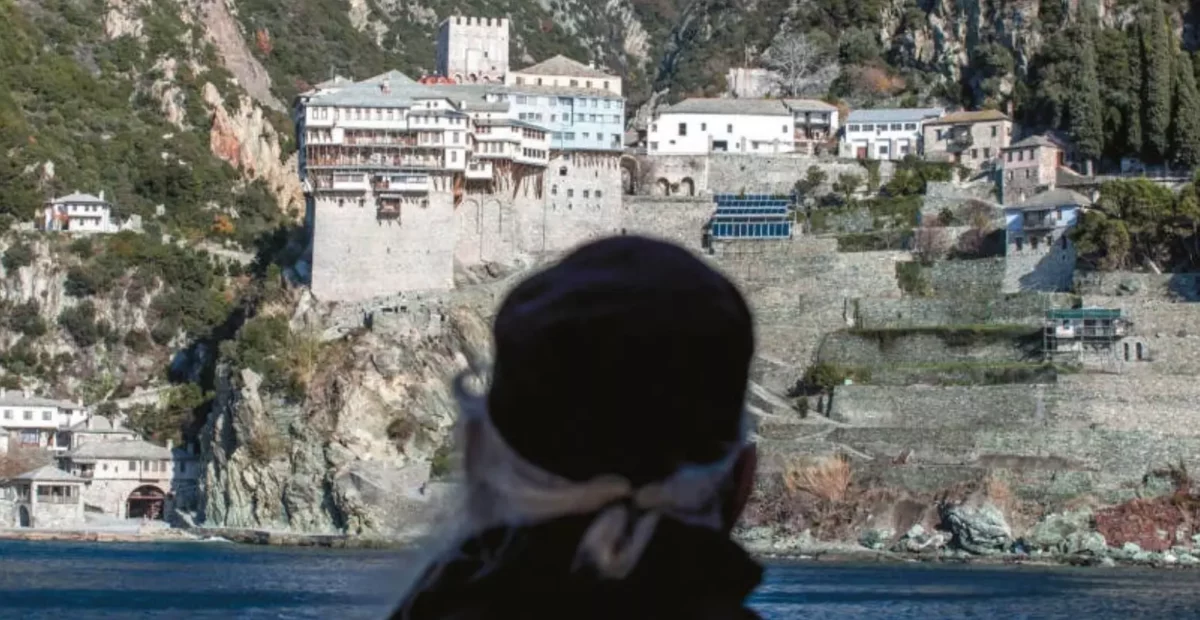
According to the Orthodoxia News Agency, 163,000 passengers arrived in the monastic state by ferry and boat during the first five and a half months of 2026. By comparison, throughout all of 2025, 352,000 men visited the Monastery of the Most Holy Theotokos, averaging about 1,000 people per day.
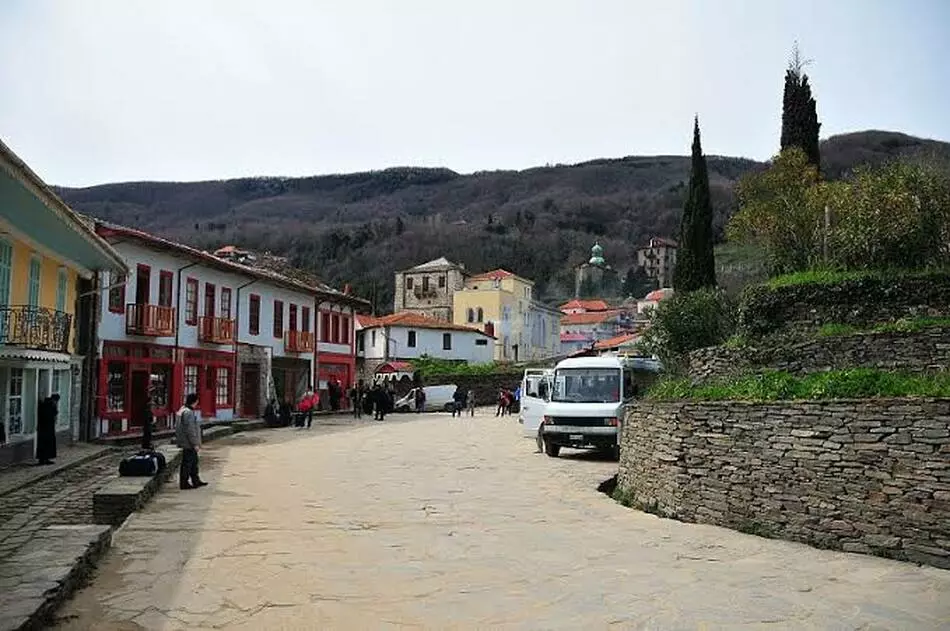
The national composition of visitors to the Holy Mountain has undergone significant changes. Currently, the top five countries whose citizens most frequently visit Daphni and Uranopolis are Romania, Bulgaria, Serbia, Cyprus, and Greece. Local business owners note that Romanian citizens now account for up to 90% of the total tourist flow.
Despite the increase in the number of pilgrims, revenues at local church and private shops have declined significantly. Business representatives attribute this to the fact that Romanian pilgrims spend much less money than the citizens of East Slavic countries who visited previously. While in past years pilgrims actively purchased expensive icons, churchware, and candlesticks, today’s visitors more often take home only honey, olive oil, and inexpensive souvenirs.
In light of the current situation and the heavy strain on transportation hubs, the Uranopolis community has appealed to the Greek authorities to immediately modernize the local port. The existing narrow pier cannot handle the simultaneous boarding of hundreds of people onto ships. At the same time, other Balkan countries are also developing Mount Athos’s infrastructure: in particular, Bulgaria plans to allocate 1.5 million euros for the construction of a road leading to the Zograf Monastery.
Read also