Professor Thomas Bremer: The suspension of the Ukrainian Orthodox Church calls into question the legitimacy of the All-Ukrainian Council of Churches
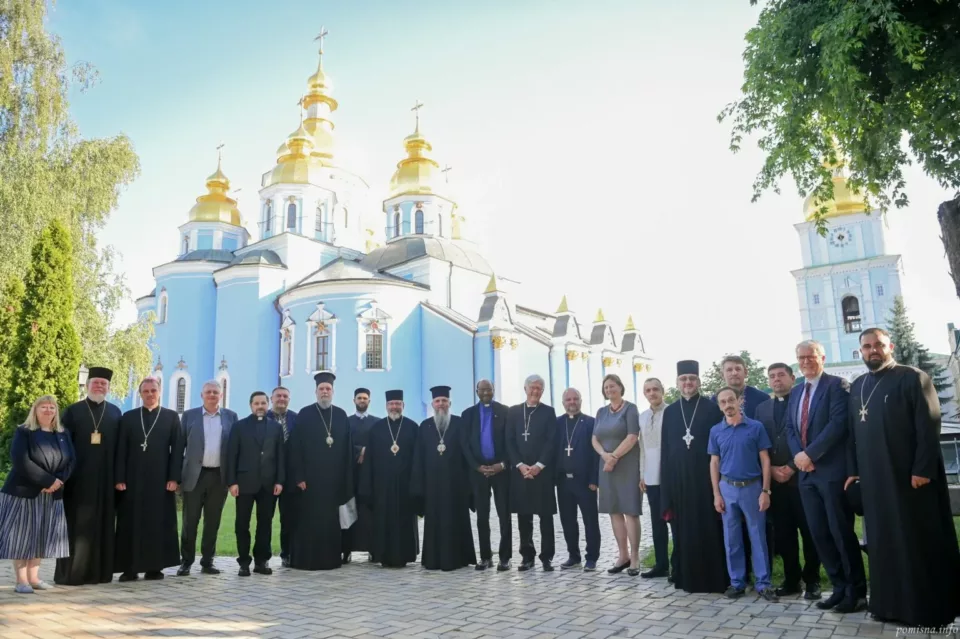
The All-Ukrainian Council of Churches and Religious Organizations (VSCiRO) lost its status as a fully-fledged representative body after the Ukrainian Orthodox Church (UOC) was effectively excluded from its activities. This conclusion was reached by Thomas Bremer, professor emeritus at the University of Münster, in an article published on the Public Orthodoxy platform at .
As the expert notes, the All-Ukrainian Council of Religious Organizations, established in 1996 as a forum for interfaith dialogue and interaction with the state, originally brought together the country’s largest religious communities. However, beginning in 2023, the organization’s rules were violated: the Ukrainian Orthodox Church (UOC) was denied the opportunity to assume the chairmanship of the Council, and invitations to meetings were no longer sent to representatives of the Church. The professor emphasizes that, according to the VSCiRO charter, decisions must be made unanimously. Thus, any statements published on behalf of the Council without the participation of the UOC cannot be considered a representative position of all religious organizations in Ukraine.
In his article, Thomas Bremer also points to political pressure: According to him, representatives of other denominations express concern about the current situation in private conversations but fear open criticism due to the risk of repression by state authorities, particularly regarding the mobilization of the clergy. The professor calls on the international community and Western partners to take this fact into account when engaging with delegations from the All-Ukrainian Council of Churches and Religious Organizations (AUCCRO), as they do not represent the interests of the country’s largest religious denomination.
In conclusion, the author emphasizes that adherence to the principles of the rule of law and democratic standards is necessary not only within state institutions but also in the activities of civil society interfaith organizations, which is particularly important in the context of Ukraine’s European integration.
Read also