A unique early Christian city has been discovered in the Egyptian desert
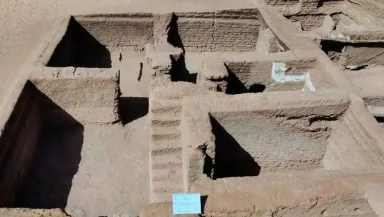
In the Dakhla Oasis, located in Egypt’s Western Desert, archaeologists have discovered an exceptionally well-preserved settlement from the Byzantine period. The discovery sheds new light on the life of an organized Christian community that flourished here more than 1,600 years ago. This was reported by Zivot Crkve.
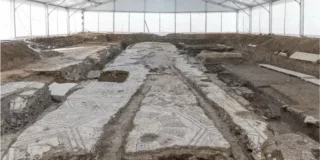
According to the researchers, the town at Ain el-Sabil represents one of the most complete examples of urban structure from that period. A mid-4th-century basilica, which served as the spiritual center of the community, was discovered in the center of the settlement. Archaeologists also identified the remains of private homes, including the residence of a man named Tisus — a church deacon from the second half of the 4th century — as well as an earlier structure belonging to a certain Tapibos, which may have functioned as a “house church.”
Expedition leader Mahmoud Masoud noted that the city had a well-developed infrastructure: a well-planned street layout, public squares, defensive structures, and watchtowers. The daily lives of the inhabitants are confirmed by the discovery of kitchen utensils, including bread ovens and millstones. An important addition to the historical context was the discovery of bronze and gold coins from the reign of Emperor Constantius II, as well as about 200 ostraca (inscribed pottery shards). According to experts, the texts in Coptic and Greek provide unique documentary evidence of the daily activities and business correspondence of the region’s inhabitants.
This discovery underscores the extent of Christianity’s spread in Egypt, demonstrating that active religious communities existed not only in major centers such as Alexandria but also in the most remote corners of the empire. Currently, the Dakhla Oasis is being considered for inclusion on the UNESCO World Heritage List.
Read also