The Liberal Party of Moldova is calling for the Moldovan Orthodox Church to sever its ties with the Moscow Patriarchate
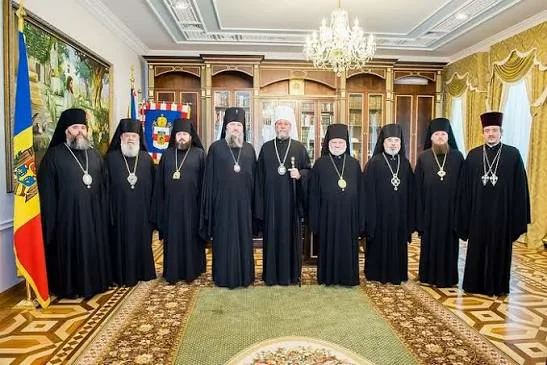
The Liberal Party of the Republic of Moldova has issued an official demand to the country’s parliament to compel the Orthodox Church of Moldova to formally sever all ties with the Russian Orthodox Church. Should this demand be refused, the party insists that the religious institution be declared illegal, arguing that this is necessary to ensure national security. This was reported by and Cotidianul.md.
In their public statement, representatives of the Liberal Party emphasize that the current activities and rhetoric of the Moscow Patriarchate—which openly supports Russia’s military aggression in Ukraine—pose a direct threat to Moldova’s sovereignty and security. The politicians cite the recent experience of Estonia, where legislation has limited the Moscow Patriarchate’s influence on local religious institutions.
The authors of the initiative are convinced that the subordination of the Orthodox Church of Moldova to the Moscow Patriarchate contributes to “the spread of propaganda and a destructive influence on the country’s spiritual heritage.” Furthermore, the Liberals stated that recent media scandals surrounding the Metropolis of Bessarabia are “part of a planned smear campaign aimed at preventing the strengthening of independent religious institutions in the Republic of Moldova.”
In conclusion, the party calls on the country’s authorities to act decisively to protect national interests and the European development trajectory, asserting that “maintaining subordination to the Russian ecclesiastical hierarchy” is no longer acceptable in the context of Moldova’s pursuit of unity and adherence to European values.
As a reminder, we previously reported that the Bessarabian Metropolis, operating under the jurisdiction of the Romanian Orthodox Church, may initiate proceedings to strip the Orthodox Church of Moldova (part of the Moscow Patriarchate) of its right to use more than 800 churches that have the status of historical monuments. The basis for this was a recent decision by the Chisinau Court of Appeals, which set an important legal precedent.
Read also