We will remind, earlier the speaker of the Ukrainian Parliament Ruslan Stefanchuk said that the Verkhovna Rada of Ukraine will be able to meet next time, when the scandalous bill № 8371, aimed at banning the activities of the Ukrainian Orthodox Church, will be finalized. The official pointed out that so far there were still not enough votes in parliament to ban the Ukrainian Orthodox Church.
"No tens of thousands of lawsuits": MP claims that the state will not sue the UOC communities
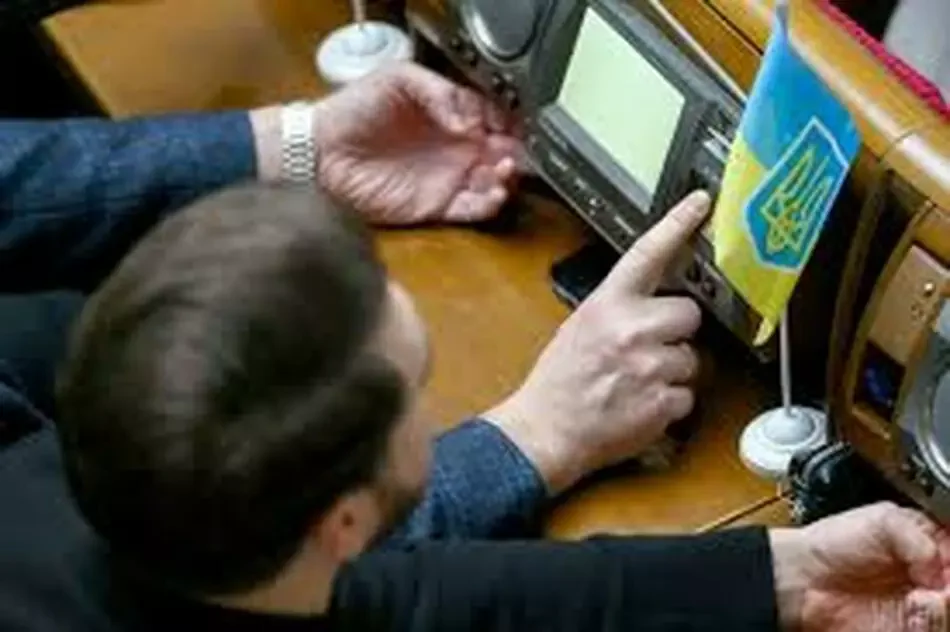
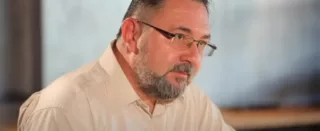
Ukrainian MP and chairman of the Committee on Humanitarian and Information Policy Nikita Poturaev claims that if Bill 8371, aimed at banning the activities of the Ukrainian Orthodox Church, is passed, the state will not sue all parishes of the UOC, but primarily the governing bodies of the Church. Poturayev insists that the public misunderstood Bill 8371 because it bans the ROC, not the UOC. The parliamentarian said this in an interview with RBC-Ukraine.
“There can be no tens of thousands of lawsuits. SSERF will not sue all parishes at the same time. The main ties of affiliation are at the top, it is clear. That’s where the main struggle will take place. And this is if they do not break these ties themselves, because in this case there will be no need to go to court. The absurdity of the situation is that they say: we have severed ties with Moscow! So why are you fighting so fiercely against this law if you have severed these ties? This is a pure confession. This means that you have not severed anything. You have been part of the ROC and remain part of the ROC. That’s all,” – Poturaev said.
At the same time, the MP claims that the law is not directed against the UOC, but is intended to ban the Russian Orthodox Church. Poturayev added that the committee changed the mechanism by which the affiliation of a religious organization with the aggressor state will be determined.
“This bill is about banning the Russian Orthodox Church. In the first reading, there was a provision that prohibited ties with religious organizations located in the aggressor state. But we began to receive informal but powerful signals from other religious organizations that have nothing to do with Russia that they are a little tense and confused by this provision. This concern literally sounded like this: if this law was exclusively about the Russian Orthodox Church, we would not be worried. But it is potentially dangerous for everyone. I asked them: can you imagine that the country from which your senior religious organizations come from attacked Ukraine? This is absurd, it is impossible to imagine. People nodded their heads, smiled, but said that they were still concerned. So, taking into account these comments, we deliberately complicated the mechanism. We have kept the approach of the SSERF that it is impossible to have ties with churches located in the aggressor state. But at the same time, we added that the list of such religious organizations is contained in the third article, which states that only one religious organization, the Russian Orthodox Church, is banned in Ukraine. Thus, we removed the warnings that we heard from other churches,” – the MP said.
Read also