In Zhytomyr region, SSU announces suspicion to another priest of the Ukrainian Orthodox Church
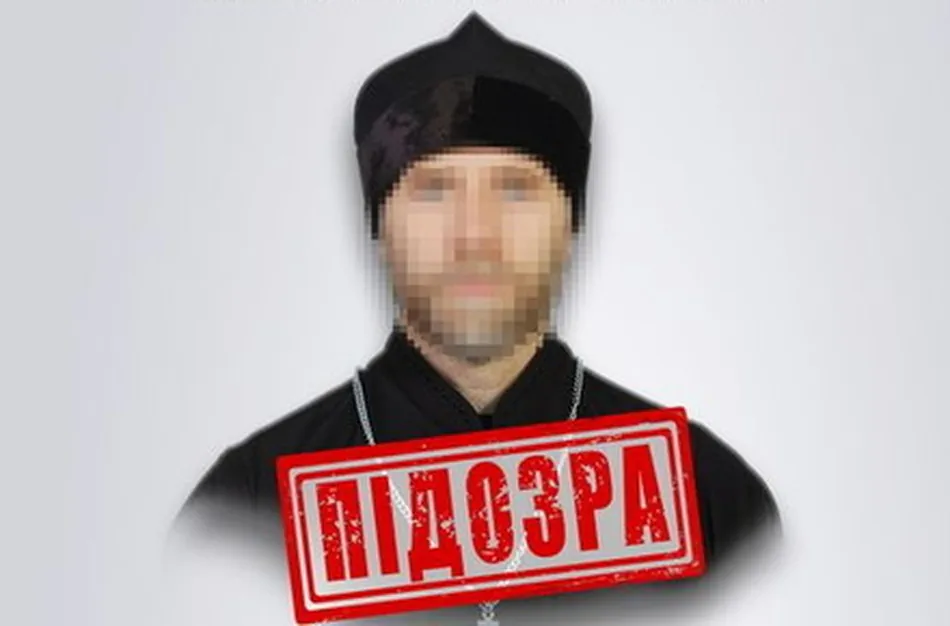
The Security Service of Ukraine’s directorate in Zhytomyr Region has announced the issuance of a suspicion in absentia against a cleric of the Ukrainian Orthodox Church who, according to the security service, was the rector of one of the UOC churches near Berdychiv. The SSU investigation accuses the priest of spreading narratives of the aggressor state and justifying Russia’s invasion of Ukraine. This is reported on the official page of the Department in Facebook.
“Employees of the security service collected evidence of illegal activity of the clergyman of the Zhytomyr diocese of the UOC (MP), which supported and spread among the parishioners narratives of the aggressor state. We are talking about the rector of one of the temples near Berdychiv. According to the investigation, after the end of the church services, the cleric conducted “educational work” among the faithful, publicly denying the armed aggression of the Russian Federation against Ukraine. In particular, the priest defended to the believers the thesis that it was not Russia or even its president Putin who started the full-scale war against Ukraine. He also categorically denied the involvement of Moscow Patriarch Kirill in the crimes against our state and called him a “father” who cannot be blamed for the “quarrel between two brothers” — Ukrainians and Russians. Instead, he blamed the Ukrainians themselves for unleashing the war. Also the rector urged parishioners not to defend Ukraine, but to tolerate and pray for forgiveness of sins”, — stated in the message.
We will remind, recently in the security service of Ukraine reported the results of yesterday’s search in the capital’s Holy Vvedensky monastery of the Ukrainian Orthodox Church. The agency said that one of the monastery’s residents had been handed a suspicion. According to the investigation, he “justified Russia’s full-scale war against Ukraine in social networks and spread fakes about the socio-political situation in the state”.
Read also