Earlier, we reported that the International Human Rights Organization Human Rights Watch criticized Law No. 3894 (formerly No. 8371), aimed at banning the activities of the Ukrainian Orthodox Church. The organization believes that the law banning the UOC grossly violates human rights to freedom of conscience and, according to its provisions, will make it impossible for Ukraine’s largest religious denomination to function. Human Rights Watch called on the Ukrainian government to stop the implementation of Law No. 3894 and send it to the Venice Commission for legal expertise.
Danish Council of Churches finds no violations in law banning UOC
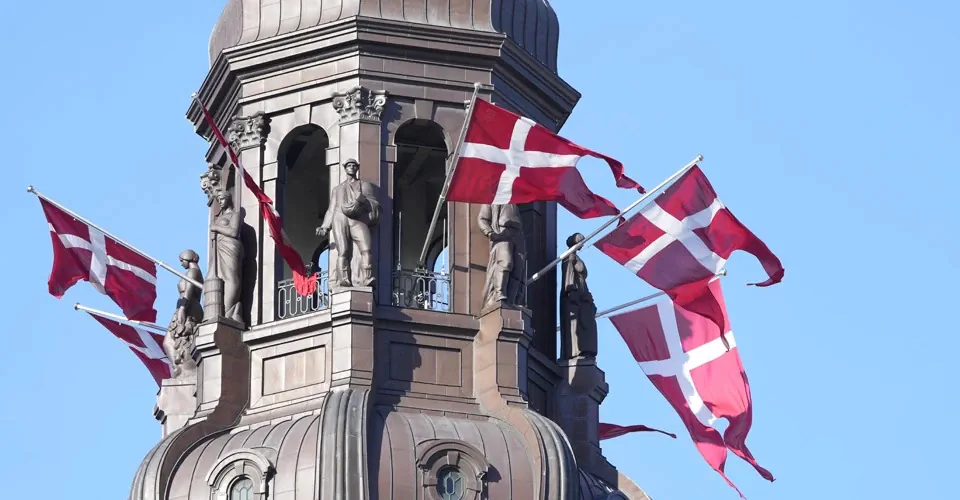
The National Council of Churches of Denmark has criticized the position of the World Council of Churches on the adoption by the Ukrainian government of anti-church law No. 3894 (formerly No. 8371), aimed at banning the activities of the Ukrainian Orthodox Church. The Danish Council of Churches believes that the law does not contradict the norms of Ukrainian and European legislation. In addition, it is pointed out that the World Council of Churches, in defending the Ukrainian Orthodox Church, plays along with the Russian Orthodox Church and Patriarch Kirill. This is reported on the website of the State Service of Ukraine for Ethnic Policy and Freedom of Conscience.
“Members of the All-Ukrainian Council of Churches and Religious Organizations (AUCCRO) spoke in support of the law. In contrast, the main antagonist of the Law in Western Europe is lawyer Robert Amsterdam, who was hired by the UOC-MP and played an important role in spreading the narrative that the Law poses a threat to religious freedom. He has been criticized for being a hired pro-Russian lobbyist. On August 24, in a press release, the AUCC “called for caution”, expressing “deep concern about the possibility of unjustified collective punishment of an entire religious community and violation of the principles of religious freedom”, which could lead to “banning of a religious organization”. The AUCC characterized this as “measures tantamount to collective punishment of a living religious community in Ukraine” and emphasized that the Government of Ukraine is responsible for protecting the rights of all its citizens. The statement of the AUCC also echoes many statements made by the Russian Orthodox Church and the Amsterdam office,” — the Danish Council of Churches reported.
In addition, the organization asked a number of critical and provocative questions to the leadership of the World Council of Churches because of their position on the law banning the UOC. The Council of Churches of Denmark claims that the WCC, supporting the UOC, is against Ukraine and supports Patriarch Kirill.
“The reaction of the WCC, expressed in the statement of August 24, raises a number of issues:
1. Purpose: The Secretary General and Moderator of the WCC express ‘deep concern’. Why are they concerned and with whom?
2. Fairness: The WCC calls the law “unjustified.” What do the Secretary General and the moderator of the AUCC see as unfair in the law?
3. Content of the law: The law and Ukrainian legislation in the area of religion are not aimed at religious associations, but at individual communities as separate legal entities. What then do the Secretary General and the moderator of the AUCC mean when they state that the Law is potentially a “collective punishment” and a “ban on religious association”? What is the basis for such assessments and statements by the AUCC?
4. Timing: Why did the AUCC act with such haste in this case? Why did the moderator and the Secretary General not involve experts or ask the Ukrainian government to clarify, as was the case with Patriarch Kirill’s statement that the war was “sacred”?
5. Violation of the Memorandum of Understanding between the World Council of Churches (WCC) and the Conference of European Churches (CEC): why did the WCC not consult with the CEC, since the agreement to do so is mentioned in the Memorandum? In our opinion, this case is closely related to the CEC and its member churches, so the mentioned consultations should have been held.
6. Who benefits from this statement: All churches, theologians and the AUCC should ask themselves who benefits from this statement of the AUCC, which is directly directed against the AUCCRO and the Ukrainian state. What prompted the Secretary General and the moderator to make this statement?”, — the Council of Churches of Denmark noted.
Read also