Law on banning the Estonian Church passes first reading in the Parliament of the Republic
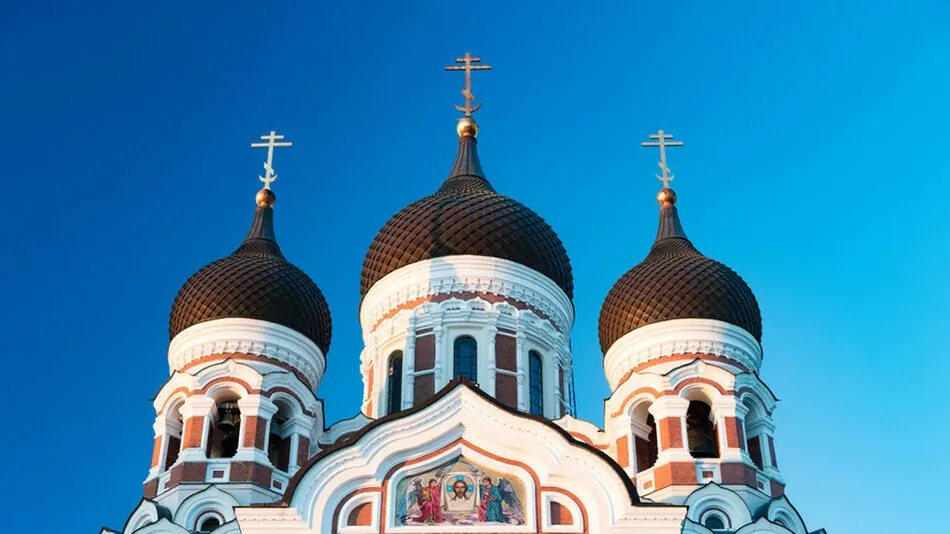
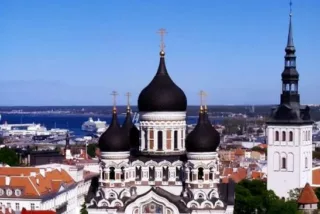
On February 19, 2025, the Estonian Parliament considered in the first reading amendments to the Law on Churches and Parishes, which restrict the activities of the Estonian Orthodox Church of the Moscow Patriarchate. Despite the fact that the law was lobbied for at the level of the Estonian Ministry of the Interior, it met with resistance in the Riigikogu. The Center Party and EKRE voted to exclude the bill from parliamentary proceedings. This was reported by ERR.EE.
“We chose the least painful way, although we could have done what we did in Latvia. There, the state itself determines what faith the church belongs to and what its charter is. We give the church the opportunity to make changes on its own. This is necessary in order to remove the Orthodox people of Estonia from the influence of Patriarch Kirill. Churches will remain intact, no one is going to close parishes. These are all propaganda tricks,” – said Interior Minister Lauri Laenemets.
For their part, the opposition Center Party believes that the amendments to the law threaten freedom of religion. The Centrists believe that the state seeks to punish churches for something that their representatives and parishioners did not do.
“When we ask a representative of the Ministry of Internal Affairs to give examples of how the MP MP somehow violated the law or incited other people to violate the law, spread the rhetoric of the patriarch here, the answer is always the same – no violations have been recorded… We are dealing with a violation of the principle of the presumption of innocence when they say, yes, you have not violated the law now, but you may violate it,” – said Vadim Bilobrovtsev (Center Party), a member of the Riigikogu.
Earlier, the Estonian Ministry of the Interior responded to the nuns of the Pühtitse Stavropegic Convent. The ministry stated that the proposed legislation to restrict the rights of the Estonian Orthodox Church and the monastery in Pühtika is not pressure on faith, and the monastery itself should historically be part of the Patriarchate of Constantinople.
Read also