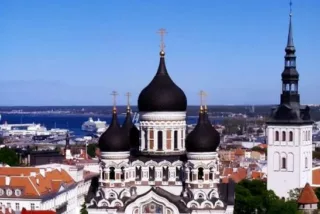
It is worth mentioning that on April 9, 2025, the Estonian Parliament voted in the third and final reading for amendments to the Law on Churches and Parishes, the ultimate goal of which is to restrict the activities of the Estonian Orthodox Christian Church. Once this law takes effect, the EOC will be forced to sever ties with the Russian Orthodox Church and unite with the local diocese of the Ecumenical Patriarchate in Estonia.
The hierarch of the Phanar in Finland welcomed the decision of the Estonian parliament to ban the Estonian Orthodox Church
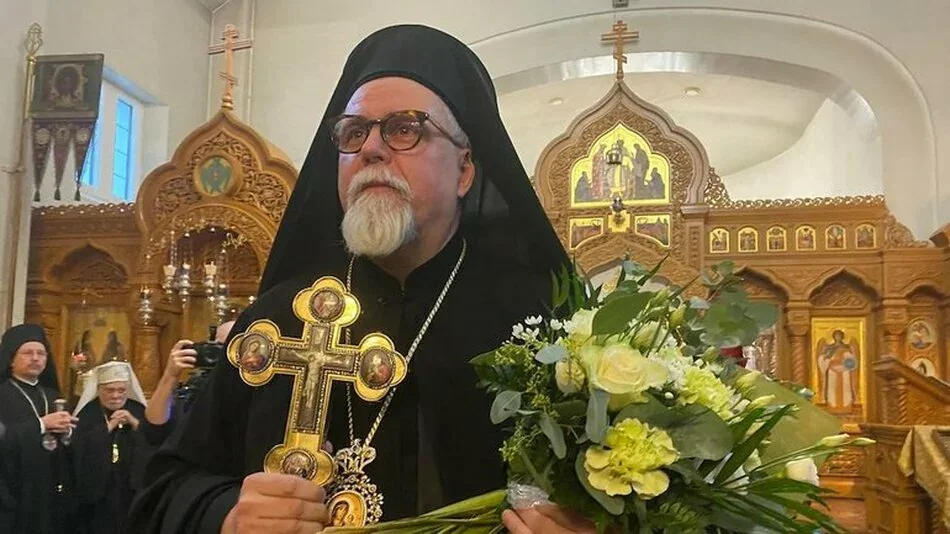
The head of the Constantinople Patriarchate’s branch in Finland, Archbishop Ilia, has welcomed the Estonian Parliament’s decision to ban the Estonian Orthodox Christian Church. The hierarch called the EOCOC “remnants of the Soviet occupation era,” expressing hope that after the ban the Estonian Church will join the Phanar’s branch in Estonia. The words of the hierarch are reported by the Orthodox Times.
According to the Phanar hierarch, the Estonian Orthodox Christian Church “is the last remnant of the Soviet occupation era in the country.” He added that the Estonian Autonomous Church within the Patriarchate of Constantinople, is the legitimate heir to Estonia’s indigenous Orthodox tradition.
“When church structures are subordinated to the geopolitical aspirations of foreign countries, it is a profound violation of the freedom to which Christ has called us. The Estonian Autonomous Church stands ready to provide a true spiritual refuge where freedom and the distinctive character of the Orthodox tradition can flourish in Estonian society. When faith becomes a weapon to legitimize conflict, it fundamentally betrays Christianity’s central message of love of neighbor. Our prayers focus on achieving peace for all Baltic peoples, and especially for those Orthodox brothers and sisters who are seeking spiritual belonging in these transformational circumstances. Christ’s call to truth and freedom resonates across artificial borders and national identities, calling us to build a world where the dignity of every human being is respected as a bearer of the divine image and not as an instrument for the exercise of power,” – said the head of the branch of the Patriarchate of Constantinople in Finland.
Read also