President of Estonia Approves Amendments to Law on Religious Organizations
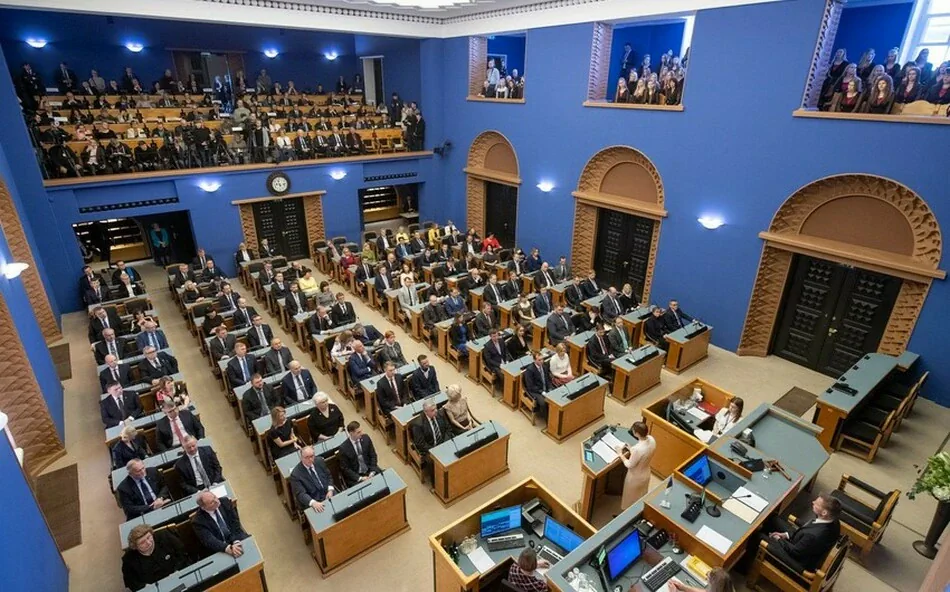
The Constitutional Committee of the Estonian Parliament (Riigikogu) has approved legislative amendments concerning the Estonian Orthodox Christian Church (EOCC), in accordance with the recommendations of President Alar Karis. This was reported by the national broadcaster ERR.ee.
“We realized that the core issue lay in disagreements over the measures necessary to sever ties between the EOCC and the Russian Orthodox Church (ROC), not in matters of church governance. The law must be clear and unambiguous,” explained Ando Kiviberg, chairman of the parliamentary committee and member of the “Eesti 200” party.
The draft law must now be approved by the Legal Affairs Committee and by MPs in a plenary session of the Riigikogu.
Previous amendments were rejected for being unconstitutional, and the bill was returned for reconsideration. According to the proposed changes, the EOCC must amend its statutes and break away from the Moscow Patriarchate. If it fails to do so, Estonia’s Ministry of the Interior will be entitled to initiate court proceedings to liquidate Orthodox parishes as legal entities.
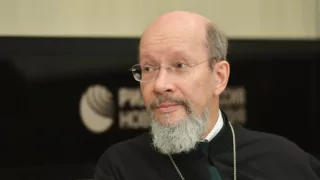
In May 2024, the Estonian Parliament designated the ROC as an institution supporting Russia’s military operation in Ukraine. At that time, Minister of the Interior Lauri Läänemets expressed hope that the EOCC would sever its ties with the ROC and that the Moscow Patriarchate would be declared heretical. In response, Vladimir Legoyda, a spokesperson for the Moscow Patriarchate, stated that the Estonian Ministry of the Interior was seeking to force the EOCC under the jurisdiction of the Ecumenical Patriarchate of Constantinople.
It should also be noted that the Jerusalem Patriarchate issued an official statement in response to the Estonian Parliament’s adoption of the new law obligating religious communities to break ties with the Russian Orthodox Church. The statement expressed deep concern over the law’s potential impact on thousands of faithful across churches and monasteries in Estonia. “The Jerusalem Patriarchate firmly stands in defense of the right to safe and free worship,” the statement emphasized.
Read also