International Law Expert Dmytro Vovk Criticizes SSEFC Conclusion on “Affiliation” of the UOC with the ROC
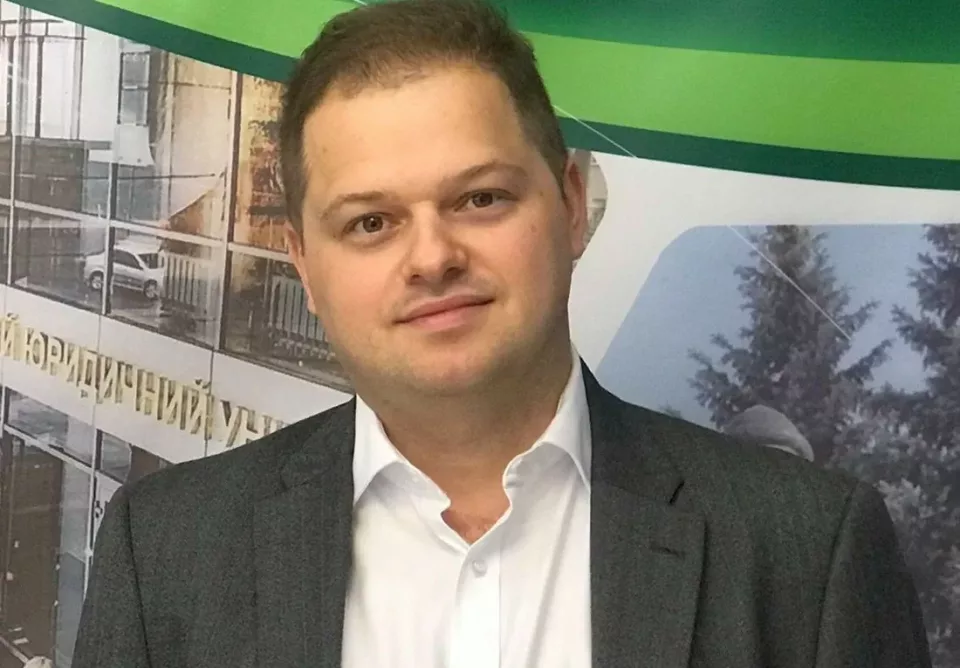
Dmytro Vovk, a visiting professor at the Benjamin N. Cardozo School of Law in New York, has commented on the conclusion issued by Ukraine’s State Service for Ethnopolitics and Freedom of Conscience regarding the alleged “affiliation” of the Kyiv Metropolis of the Ukrainian Orthodox Church (UOC) with the Russian Orthodox Church (ROC). The SSEFC published its analysis on July 8 after several months of what Vovk describes as simulated “expert work.” This was reported by the Telegram channel “Pershyi Kozatskyi.”
According to Vovk, the SSEFC this time engaged a so-called “research group” instead of the previously announced “independent experts.” However, the group consists of civil servants who, as he noted, lack specialization in canon or ecclesiastical law.
“This is a weak point, as the research group consists of government employees and therefore cannot be considered independent from the position of the SSEFC head or other executive authorities,” Vovk stated.
The SSEFC conclusion attempts to argue that the UOC does not have an “independent” status, as it is neither autocephalous nor close to it. The fact that the ROC’s statute still mentions the UOC is used as evidence of affiliation.
“The mere mention of the UOC in the ROC’s statute is cited as a basis for concluding affiliation and, consequently, prohibition. The conclusion continues the line that a religious organization may be liquidated based on its canonical ties — a practice repeatedly criticized by international organizations,” the lawyer emphasized.
Vovk also noted that the document creates a legal basis for further action against the UOC:
“Proving the ‘affiliation’ of the Kyiv Metropolis will then make it easy to dissolve every parish.”
In his view, the SSEFC’s main goal is to establish two critical criteria: autocephaly and removal of the UOC from the ROC’s statute — matters over which the UOC has no control.
“This will become the pretext for liquidating the Church,” he added.
“The nature of legal mechanisms is that they are difficult to reverse. That is why I have repeatedly stated that the law ‘banning the UOC,’ once adopted, is not just a political pressure tool or bargaining chip that can be undone. One way or another, it will bring consequences,” the professor concluded.
It should also be recalled that Ukrainian publicist and commentator Vitaliy Portnikov claimed that sentiments allegedly in line with Russian propaganda are widespread among UOC clergy. In a public statement, he suggested that some clergy expect Ukraine’s defeat and view Putin as a future key player in shaping church policy within Ukrainian territory.
Read also