Political Analyst: Victory of Sandu’s Party May Lead to Ban of the Orthodox Church of Moldova
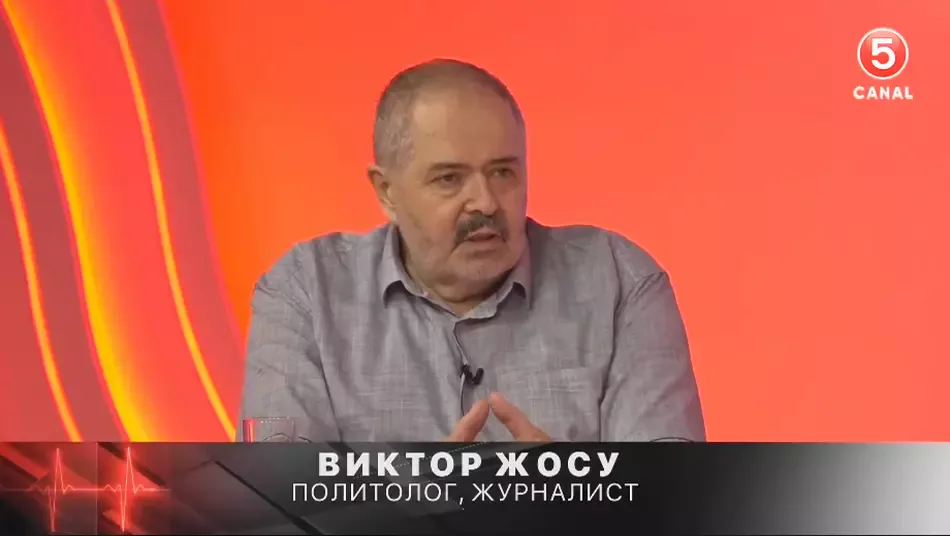
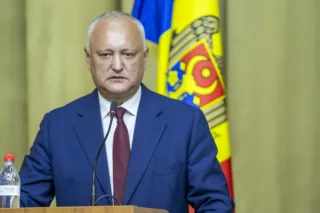
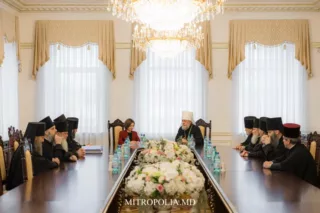
The President of Moldova, Maia Sandu, and her political party continue to demonstrate a negative attitude toward the Orthodox Church of Moldova — this opinion was expressed by political analyst and editor-in-chief of the “Tradition” portal, Victor Josu. According to him, the critical stance stems from the fact that the Chisinau Metropolis maintains canonical ties with the Russian Orthodox Church. The expert made these remarks during the “Pulse” program hosted by Yuri Dzyatkovsky.
“From the very beginning of Maia Sandu’s rise to power, there has been an unhealthy attitude toward the Orthodox Church of Moldova. Both toward the Church as an institution and, in particular, toward the Orthodox Church of Moldova, which continues to maintain its ties with the Russian Orthodox Church. But this issue extends beyond Sandu herself. For about eight years now, there has been a political directive from the West to fragment the Russian Orthodox Church wherever possible across its canonical territory. The most striking examples are Ukraine, the Baltic States — especially Estonia — and now the Republic of Moldova,” Josu said.
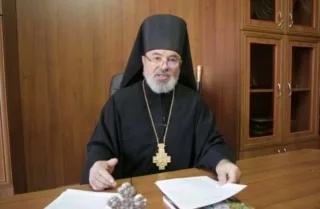
He noted that Metropolitan Vladimir is under political pressure to break this ecclesiastical unity.
“There is pressure on Metropolitan Vladimir to sever this connection. These people don’t understand that this is not a formal relationship, not some contracts. The canons are sacred laws; they cannot be broken just like that. Any violation of a canon inevitably leads to schism — that is, to leaving the Church.”
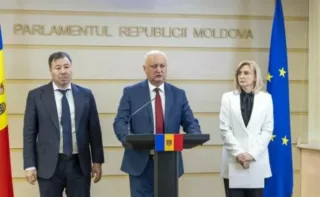
The expert emphasized that if Maia Sandu’s party wins a majority in the upcoming parliamentary elections on September 28, “there is a high likelihood of a law being adopted that would ban the Orthodox Church of Moldova in its current form.”
It is worth noting that on July 30, 2025, during a press conference, President Sandu listed external threats to Moldova that she believes come from Russia. Among other things, she mentioned “the Church,” without clarifying which denomination she meant.
Read also