UOC Archbishop Sylvester (Stoychev): Autocephaly is a natural norm of existence of the Local Church
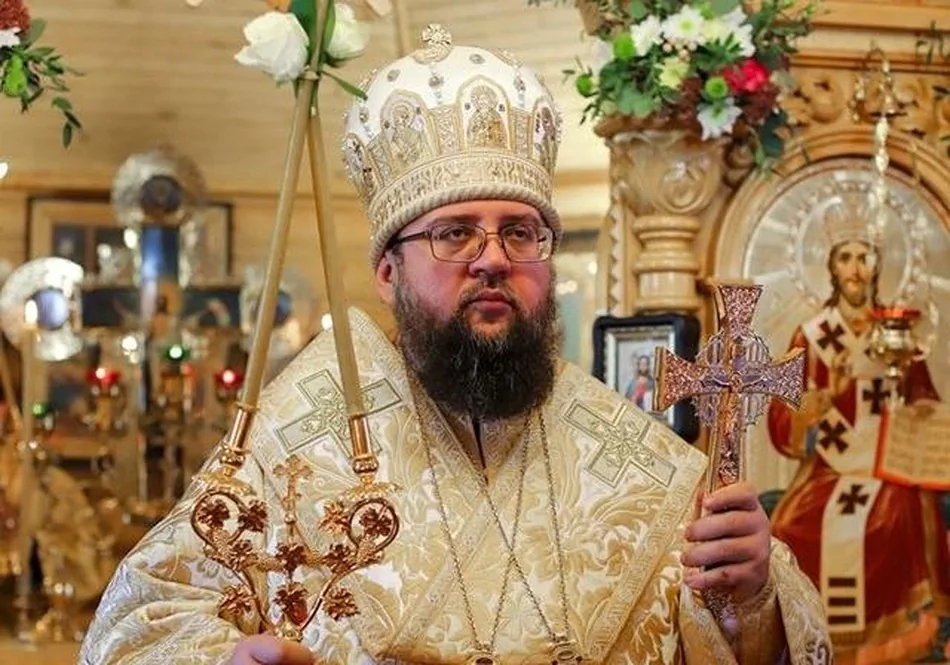
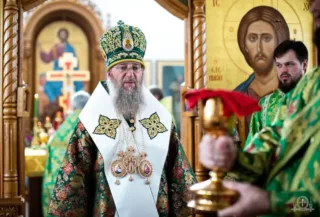
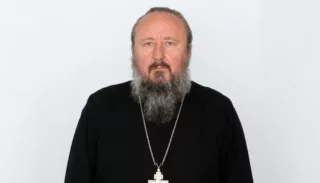
Archbishop Silvester (Stoychev) of Bilogorodsk, vicar of the Kyiv Metropolitanate and rector of the Kyiv Theological Academy of the UOC, has published a detailed theological and historical justification of the idea of autocephaly. In his opinion, the desire for full administrative independence is a natural and normal state for every Local Church, and not a synonym for schism, as it is often presented. The hierarch presented his theses as a response to questions that arose after his participation in a podcast on the future status of the Ukrainian Orthodox Church.
At the beginning of his publication, Archbishop Sylvester stressed the importance of open and honest discussion in church life, criticizing anonymous authors on the Internet, who, according to him, resort to manipulation and insults, positioning themselves as defenders of the canonical system.
The central thesis of the bishop is the assertion that autocephaly is the norm of existence of the Local Church. In response to the question of where this is stated in the Holy Scriptures or canons, he explained that although the term “autocephalous Church” itself is not found in ancient texts, the idea of independent Local Churches can be traced back to the very beginning of Christianity. He referred to the Book of Acts and the Epistles of the Apostle Paul, which mention independent churches in Jerusalem, Antioch, Galatia and other cities. According to the hierarch, the image of the Church as the Body of Christ points both to unity and diversity, where the local Churches, professing a single faith, are independent in resolving their internal issues.
Developing his thought, Archbishop Sylvester quotes St. Cyprian of Carthage: “Since the bond of conciliarity is maintained and the sacrament of the Catholic Church is preserved undivided, each bishop himself acts according to his own discretion, having to give the Lord an account of his actions.” He notes that by the fourth century there were already independent metropolitanates which, according to Byzantine canonists such as Theodore Valsamon, were in fact autocephalous. “In ancient times, the metropolitans of all dioceses were autocephalous and accepted chronotonies from their own Synods, ” he quotes a 12th-century canonist. Thus, according to the Archbishop, such saints as Ignatius the Theotokos, Polycarp of Smyrna, Irenaeus of Lyons, Cyprian of Carthage, Basil the Great, John Chrysostom and many others should be recognized as Primate of autocephalous Local Churches in modern categories.
The Archbishop regrets that for many believers, including clergy, the term “autocephaly” has become synonymous with schism. He argues that this is the result of a “distorted ecclesiology.” Historically, he says, schisms have historically been about heresy, not about gaining administrative independence. Moreover, he makes a strong statement: “The history of the Church shows that ecclesiastical divisions arise not when the Church acquires the status of autocephaly, but on the contrary, when the mother Church refuses to grant independence to any of its parts under various artificially invented pretexts.” In his opinion, this is “a typical disease of patriarchates” that seek to hold on to their “adult daughter” churches, which leads to conflicts.
Finally, the Rector of the Kyiv Theological Academy touched upon the role of the national factor in church life. He emphasized that the desire for autocephaly is not evil, and the creation of a new Local Church is not a division, but an increase of the Universal Church. Rejecting accusations of ethnophyletism, he referred to an article by Metropolitan Anthony (Pakanich) of Boryspil, the UOC’s director of affairs, from 2008, where he wrote: “It is inherent in the very nature of Orthodoxy to develop the Church on the basis of existing local cultures. From this point of view, the development of autocephaly on the basis of the ‘cultural factor’ does not pose theological or canonical problems for Orthodoxy.” Archbishop Sylvester concludes that ignoring the national identity of the flock contradicts the Church’s tradition, exemplified by the mission of Saints Cyril and Methodius, who defended the right of the Slavs to their own culture and Church.
As a reminder, recently the hierarch of the Ukrainian Orthodox Church, Metropolitan Anthony of Boryspil and Brovary, published an article in which he offered a profound theological view of the concept of autocephaly, comparing it to two key biblical events: the destruction of the Tower of Babel and the descent of the Holy Spirit at Pentecost. In the publication, the bishop warns that when autocephaly turns from a canonical instrument into a political or nationalistic project, it inevitably leads to spiritual chaos and division, like Babel, whereas the true unity of the Church is achieved through the grace of the Holy Spirit, as happened at Pentecost.
Read also