OCU lobbyist: Registration of independent communities allows the UOC to avoid the effects of the ban law
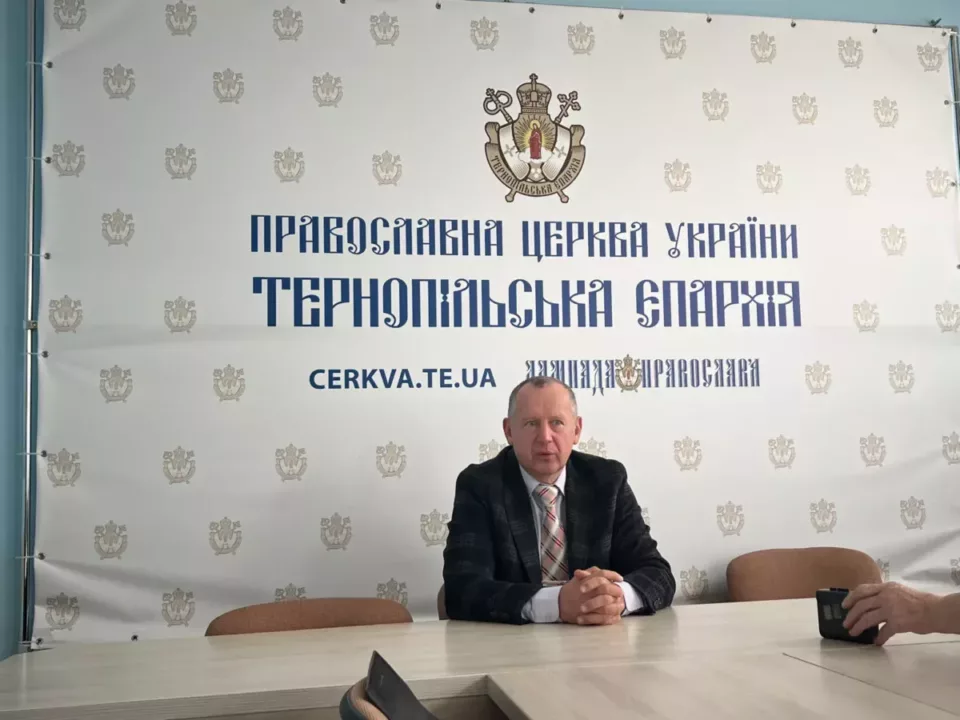
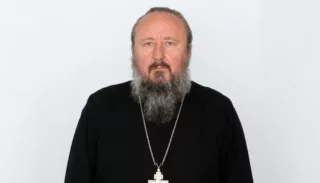
on November 3, 2025, a meeting was held in Ternopil with a well-known lobbyist of the OCU, Doctor of Philosophy and religious scholar Alexander Sagan. During the event, the religious scholar stated that the problem of the existence of the Ukrainian Orthodox Church goes beyond religion and directly concerns national security. The expert emphasized that the breakup of the UOC with the Moscow Patriarchate, which took place in 2022, is a fiction, and the emergence of independent religious communities that leave the UOC creates a dangerous “gray zone” for manipulation. This is reported by Te News.
According to Professor Sagan, as of the beginning of 2025, there are about 8,300 OCU communities in Ukraine, while about 700 more parishes are “in the process of transition from the UOC.”
Oleksandr Sagan paid special attention to a new legal precedent – the creation of independent religious communities, which, in his opinion, formally withdraw from the UOC but do not join the OCU. “Often, communities declare their withdrawal from the Moscow Patriarchate, but legally remain outside any church structure. This allows them to formally avoid the law and at the same time not lose property or influence,” the expert noted. According to him, this “gray zone” poses a threat because it can be used for various manipulations.
The expert also said that the breakup of the UOC with the Moscow Patriarchate announced in May 2022 is a fiction. According to him, then there was not a full-fledged conciliar meeting, but only a “spiritual meeting”. “Although direct references to Moscow were removed from the text of the charter, a reference to the letter of the Moscow Patriarch was left. This means that the subordination has been preserved,” Sagan explained.
Earlier we reported that in Chernihiv, the parish of All Saints of Chernihiv, which belongs to the Ukrainian Orthodox Church, initiated the procedure for obtaining the status of an independent religious community. This was the first such case in the region and sparked discussions about whether it was a step toward real independence or a way to avoid problems amid new legislation restricting the activities of religious organizations affiliated with the Russian Federation.
Read also