The Pope's visit to Constantinople has sparked intense controversy in the Orthodox world
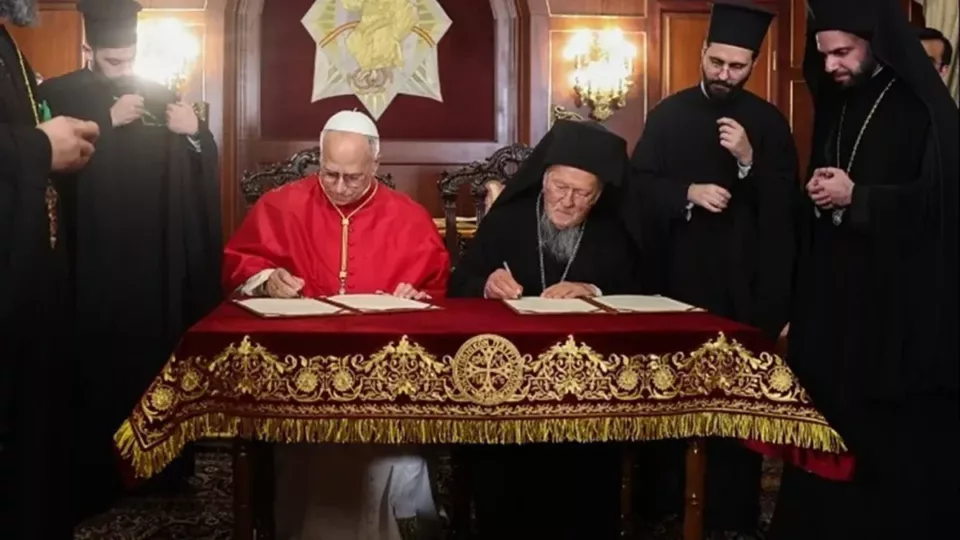
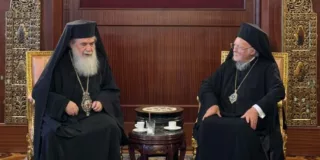
The recent visit of the Pope to Constantinople and Nicea, organized with the participation of Ecumenical Patriarch Bartholomew, was presented as an important step towards Christian unity. However, this event caused serious concern and criticism from a part of the Orthodox faithful, who saw in it a threat to the integrity and identity of the Orthodox Church, which led to a heated debate in the church environment.
As Helleniscope.com reported in an editorial, many critics perceived the visit not as a spiritual meeting, but as a «carefully orchestrated» PR campaign. Particularly displeased were such moments as the joint reading of the Creed without the filioque and the signing of a joint declaration. According to the authors of the publication, these gestures were aimed at creating an «illusion of consensus» and softening resistance to the idea of «full communion» with Rome, while ignoring centuries-old theological differences.
The publication also highlights the alleged «imbalance of power» during the visit, where the Pope appeared as the head of a centralized global institution. Critics argue that the Phanar, in accepting Rome’s initiatives, has shown a willingness to make concessions without a mandate from the fullness of the Orthodox Church. This, they argue, is evidence of a growing gap between Patriarch Bartholomew and the faithful, who expect their leaders to defend the faith rather than negotiate it.
At the same time, there is an opposing viewpoint. Some observers believe that the visit, on the contrary, strengthened the position of Orthodoxy. According to this view, the joint recitation of the Creed in its original form, without the Catholic addition of the filioque, is not a concession on the part of the Orthodox, but a step by the Pope toward orthodox tradition. The event is thus seen as Rome’s recognition of the original, unadulterated creed.
Thus, the visit, intended to be a symbol of reconciliation, revealed deep contradictions and caused a wave of distrust within the Orthodox community. Instead of bringing positions closer together, it sharpened discussions about the future of dialog with Catholics and the limits of ecumenical cooperation. The further reaction of local Orthodox churches and believers will show whether this event will be a turning point in interfaith relations.
Recall, earlier we reported that Pope Leo XIV and Patriarch Bartholomew of Constantinople held a joint ecumenical ceremony in Nicea (modern Iznik, Turkey) to mark the 1700th anniversary of the First Ecumenical Council. The event, which brought together the heads of various Christian denominations, was «a powerful symbol of unity, a reaffirmation of common faith, and a call for peace and dialog in today’s world.»
Read also