In Mykolaiv region, authorities manage to transfer only six UOC parishes to OCU
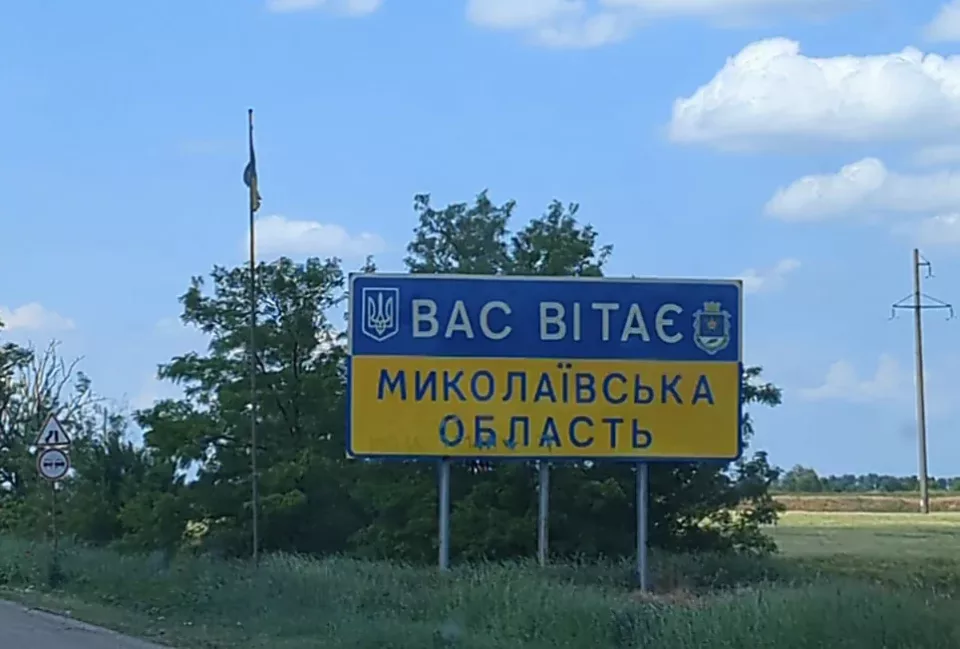
In the Mykolaiv region, in almost four years, only six religious communities of the Ukrainian Orthodox Church have been re-registered to the OCU. At the same time, checks on the activities of religious organizations regarding their ties with the Russian Orthodox Church, initiated by local authorities in connection with the new anti-church legislation, continue.
According to Suspilne, the last recorded “transition” in the Mykolaiv region occurred in June 2024. According to the Department of Culture, Nationalities and Religions of the Mykolaiv Regional State Administration, as of December 2025, 163 communities of the OCU and 285 communities of the UOC were registered in the region. Among the communities that have made the “transition” are: the parish of the Holy Spirit in the village of Sukha Balka (June 29, 2022), the community in the village of Novodanilovka (May 8, 2023), the parish of St. Michael the Archangel in the village of Syrovo (August 4, 2023), the parish of St. Michael the Archangel in the village of Syniukhin Brid (January 2, 2024), the parish of the Intercession of the Blessed Virgin Mary in the village of Lysa Hora (March 7, 2024), and the parish of the Holy Apostles Peter and Paul in the village of Timiryazivka (June 19, 2024).
At the same time, the process of checking the ties of religious organizations with the Russian Orthodox Church in the region has become especially relevant after the Law of Ukraine “On the Protection of the Constitutional Order in the Field of Activities of Religious Organizations” (anti-church law No. 3894 – ed.) came into force in August 2024. This law provides for the termination of the activities of religious organizations affiliated with the Russian Orthodox Church, giving them nine months to break such ties. Otherwise, as Karina Chapkyi, a lawyer at the Mykolaiv Regional State Administration, explained, sanctions may be applied, including the loss of legal status and the termination of all contracts related to property.
The State Service for Ethnic Policy and Freedom of Conscience (DESS) is responsible for identifying the affiliation of communities with the Russian Church. Its representatives analyze statutory documents, acts, and official statements of church leadership. If such links are found, the SESF sends a lawsuit to the court. As of December 19, inspections of religious organizations are still ongoing.
Earlier, Deputy Head of the Presidential Office Olena Kovalska said that Ukraine allegedly does not intend to close churches and does not plan to do so in the near future. However, the Ukrainian Orthodox Church is required to renounce its status of affiliation with the aggressor country.
Read also