Christians in the Holy Land under existential threat
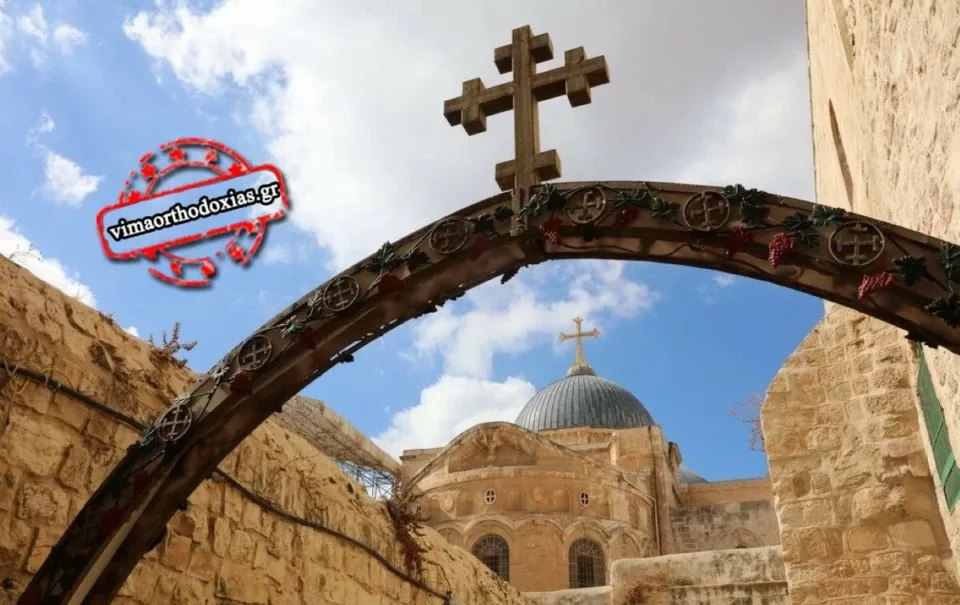
Christian communities in the Holy Land are facing one of the darkest periods in recent decades, under existential threat. This is according to a detailed report presented in December 2025 by the Council of Patriarchs and Heads of Churches in Jerusalem. The document warns that without an immediate international response, the historic Christian presence in the region risks becoming a mere memory.
According to Vima Orthodoxias, the report, based on testimonies and data from local Churches, records with alarming clarity that violence, restrictions on worship and obstacles to humanitarian aid are creating an explosive mix. «The few remaining Christians are unable to receive even basic aid,» the Patriarchs emphasize, pointing out that the ongoing conflict and administrative blockades make access to food, medicine and basic services nearly impossible.
The report focuses on the dramatic humanitarian situation in the Gaza Strip. Christian infrastructure, including the Holy Family Shrine and Al-Ahli Hospital, has been severely damaged by the fighting. According to the report, the remaining Christians «have been unable to receive basic medical and humanitarian assistance» due to restrictions on the importation of medicines and aid. A small number of believers find temporary shelter in church premises, but conditions there are extremely dangerous, characterized by constant fear and no prospect of safety.
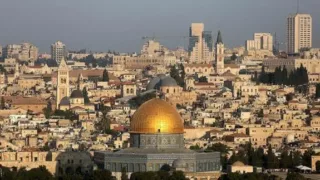
For Jerusalem, the report records increasing restrictions on religious freedom and access to Holy Sites. Increased inspections and restrictions on entry to the Church of the Holy Sepulchre are noted, especially during major holidays, disrupting centuries of liturgical tradition. The Patriarchs emphasize that such actions not only undermine religious life but also the historical identity of the city, threatening the peaceful coexistence of communities.
A climate of constant insecurity is described in the West Bank. Settler violence, arson attacks near Christian settlements, and attacks that «make olive groves inaccessible» are documented, with direct consequences for the economic life of residents. These pressures, according to the text, lead many families to migrate, weakening an already shrinking community.
Economic and legal pressures on church institutions are mentioned in parallel. The imposition of exorbitant taxes and administrative claims on church property threaten the functioning of schools, hospitals and charitable organizations. In some cases, it is noted, measures affecting the bank accounts of church organizations «were only lifted after international intervention,» indicating the gravity of the situation.
The high-ranking hierarch, speaking at Vima Orthodoxias, emphasized that «it is necessary to awaken the conscience of governments, powerful and less powerful, to stop this massacre.» He noted that the crisis cannot be seen as just another geopolitical problem, but is a matter of human lives and religious freedom. At the same time, a senior Greek Foreign Ministry official said that Greek diplomacy is making every effort in this direction, but «it is not enough.» Even deeper and more meaningful political work is needed to eradicate the violence and guarantee the protection of Christian communities, he said.
The report of the Patriarchs concludes with a categorical appeal: the Christians of the Holy Land are not guests or outsiders, but natives with a continuous presence since the early years of the Church. The Churches emphasize that they remain key to sustainable peace for Israelis and Palestinians alike, and call on international organizations and governments to provide practical support to Church institutions through financial assistance and targeted diplomatic pressure. The message is clear: if there is no immediate mobilization, the Holy Land risks losing a living part of its history and spiritual identity — and this loss will affect the entire international community.
As a reminder, according to the latest World Watch List 2025 report published by Open Doors US, more than 380 million Christians worldwide face persecution because of their faith. That’s one in seven believers in the world. Despite the growing pressure, Christian communities continue to exist and even grow in the countries with the highest levels of persecution.
Read also