The Phanar accused the Jerusalem Patriarchate of trying to interfere in the Ukrainian church crisis
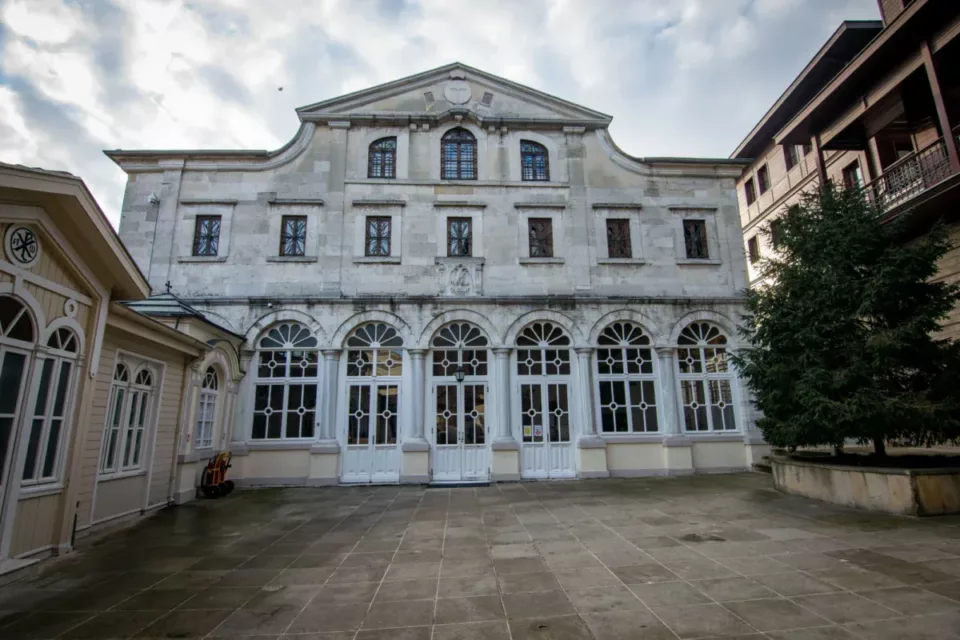
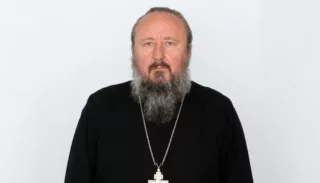
Archimandrite Gerasimos Frangoulakis of the Patriarchate of Constantinople (Hanover, Germany), has strongly criticized the hierarch of the Patriarchate of Jerusalem, Archbishop Theodosios of Sebastia. Frangoulakis accuses Archbishop Theodosius of attempting to undermine the role of the Patriarchate of Constantinople as «the first among equals» by proposing to hold an Pan-Orthodox assembly to resolve the Ukrainian church crisis, as well as unilaterally recognizing only the Ukrainian Orthodox Church under Metropolitan Onufriy of Kyiv and All Ukraine, which, in his opinion, indicates «a pronounced pro-Russian sentiment and disregard for the canonical order.» This is reported by Fos Fanariou.
According to Archimandrite Frangoulakis, behind the proposal of Archbishop Theodosios of Sebastia to convene an Pan-Orthodox Council to resolve the Ukrainian church crisis, presented as a peacemaking initiative, there is an obvious intention: to question the role of the Phanar, which «is the only one with institutional weight and canonical right to convene Pan-Orthodox Councils». Thus, according to the archimandrite, such «proposals for a meeting» undermine ecclesial integrity and disregard the order, ethos and authority of the Church, which are «the cornerstones of Tradition.»
Criticizing Archbishop Theodosios, Frangoulakis notes his «clear pro-Russian stance.» The Archbishop of Sevastia has explicitly declared that only the Ukrainian Orthodox Church under the rule of His Beatitude Metropolitan Onufry of Kyiv and All Ukraine is canonical, refusing to recognize any other ecclesiastical structures on the territory of Ukraine. He emphasizes that this unilateralism is not surprising, as Archbishop Theodosius «unabashedly demonstrates his pro-Russian feelings,» while carefully avoiding words in defense of the Patriarch of Constantinople against «Russia’s unprecedented and shameful rhetoric.»
Archimandrite Frangoulakis cautions: «behind the benevolent intention for dialog, there is an attempt to demonstrate power and belittle the ecumenical role of Constantinople.» In his opinion, the statement of neutrality loses its significance in this case, since the Jerusalem Patriarchate itself declares that it recognizes only one church structure in Ukraine and disdains any other church presence. «What is the point and purpose of such a dialog when the positions are so unilaterally predetermined?» asks Frangoulakis.
This unilateral recognition, the author says, represents not just a challenge to the canonical order, but a blow to sobornost, the spiritual foundation of the Orthodox Church. The Patriarchate of Constantinople, he argues, in contrast to this position, has never closed the door to dialogue and is constantly taking initiatives in favor of appeasement and the restoration of unity. However, any dialog should be carried out within the framework of canon law and with full respect for church order and tradition, and not become «an instrument to undermine the authority of the main bearer of unity».
Earlier, the hierarch of the Jerusalem Patriarchate, Archbishop Theodosius of Sebastia, announced the readiness of the Jerusalem Patriarchate to provide a venue for a churchwide council dedicated to resolving the crisis around the Ukrainian Orthodox Church and the problems in world Orthodoxy. The hierarch stressed that the leaders of the churches should meet to overcome the schism and restore unity, while recognizing exclusively the canonical UOC headed by His Beatitude Metropolitan Onufry.
Read also