The Russian Orthodox Church Outside Russia leads in growth rate among Orthodox jurisdictions in the United States
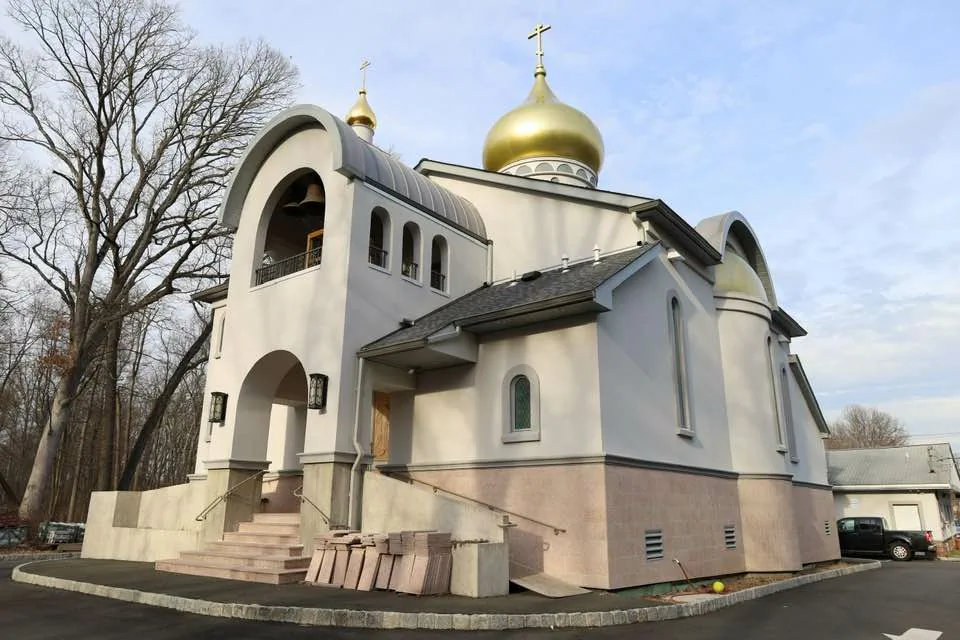
According to the latest research data presented by Alexei Krindach, the national coordinator of the census of Orthodox communities in the United States, the Russian Orthodox Church Outside Russia (ROCOR) showed the most significant growth in the number of parishioners among all Orthodox jurisdictions in the country between 2020 and 2025. The number of regular attendees in a typical ROCOR parish increased by 166%.
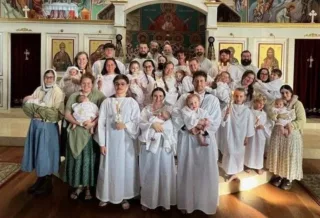
As part of a large-scale survey organized by the Hartford Institute for Religious Studies, the status of 270 Orthodox communities was analyzed. The data show that Orthodox parishes in the U.S. as a whole are experiencing stronger growth compared to the national average. The ROCOR stands out from other jurisdictions not only in terms of parishioner growth but also in the age structure of its congregations: ROCOR parishes have the youngest membership, with young people accounting for 27% of the congregation, and nearly half of the parishioners having joined the church within the last five years.
The study also highlights differences in approaches to the pandemic and the internal life of parishes. Only 11% of ROCOR parishes suspended in-person services, whereas in the Greek Orthodox Archdiocese, this figure was 75%. Clergy of the Russian Orthodox Church Outside Russia demonstrate a high level of commitment to their ministry: 93% of priests stated that they had never considered leaving the church. In addition, 83% of the ROCOR clergy expressed confidence that their communities have a clear mission and purpose, a figure significantly higher than that of other jurisdictions.
Although financial indicators per member in ROCOR parishes remain below the national average, 71% of parishes rate their financial condition as good or excellent. The report titled “The Orthodox Tradition in a Period of Transition: What New Data Reveals About Orthodox Parishes in the U.S.” also notes that Orthodox communities in America generally place greater emphasis on fasting and are less likely to engage in political discussions than other religious denominations in the U.S.
Read also