Earlier, Russian Foreign Minister Sergey Lavrov said that Moscow would continue to defend the rights of Orthodox believers in Ukraine and support the canonical Orthodox Church. The Foreign Minister emphasized that Russia will not leave the Orthodox people of Ukraine in trouble and expressed confidence that their legal rights will be restored.
Religious scholar claims that UOC parishes do not move to OCU due to “powerful information campaign”
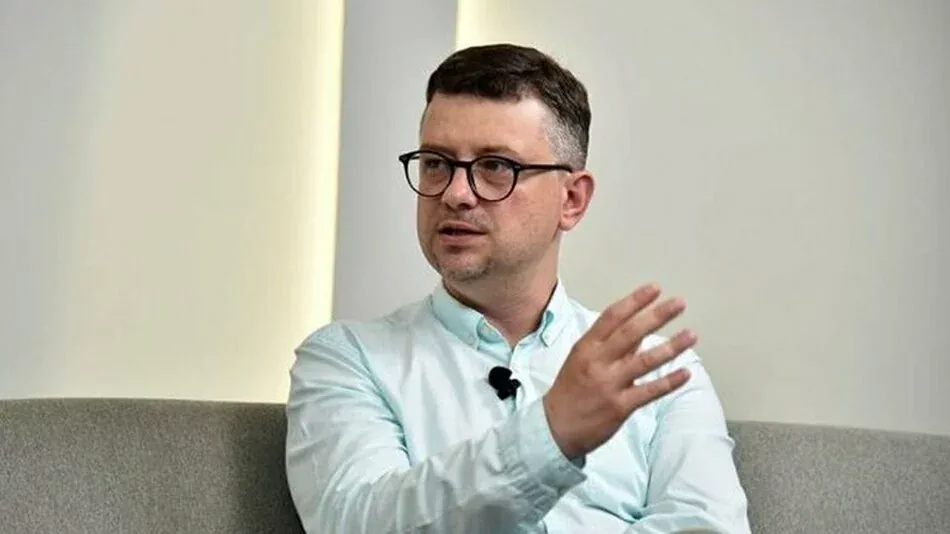
Ukrainian religious scholar Anatoliy Babynsky, who sympathizes with the OCU, claims that the faithful of the Ukrainian Orthodox Church do not want to join the OCU because of the “powerful information campaign” launched by the UOC. In his opinion, the leadership of the UOC is trying to hide its affiliation with the Russian Orthodox Church in every possible way, creating an information resonance at the national and international level. He said this in a commentary to Radio Liberty.
“Most of the transitions were in the first months of the war, and later everything stopped. In particular, because an active information campaign was launched within this Church that they do not belong to the Moscow Patriarchate. Regarding these legislative initiatives, there was a very serious international information campaign regarding the law of August 20, 2024. And there were negative reactions from many international organizations, governments, even some countries,” – the religious scholar noted.
Babinsky added that the leadership of the Ukrainian Orthodox Church has taken a wait-and-see attitude, hoping that the church issue could become the subject of peace talks between Russia and Ukraine.
“In principle, the leadership of the UOC (MP) decided to do nothing and rely on this international reaction, a critical reaction to the law. They simply decided to wait and see if they could somehow, through possible negotiations between Ukraine, Russia, and the United States, somehow manage to preserve the structure as it exists. Namely, the leadership of the UOC (MP) is trying to preserve its own structure so that it can continue to exist. To do this, they can hide them, not focus attention on them, even claim that they are in no way subordinate to Kirill. Even some of the bishops can criticize the actions of the Moscow Patriarch and the Russian authorities,” – says religious scholar Anatoly Babinsky.
Read also