1894
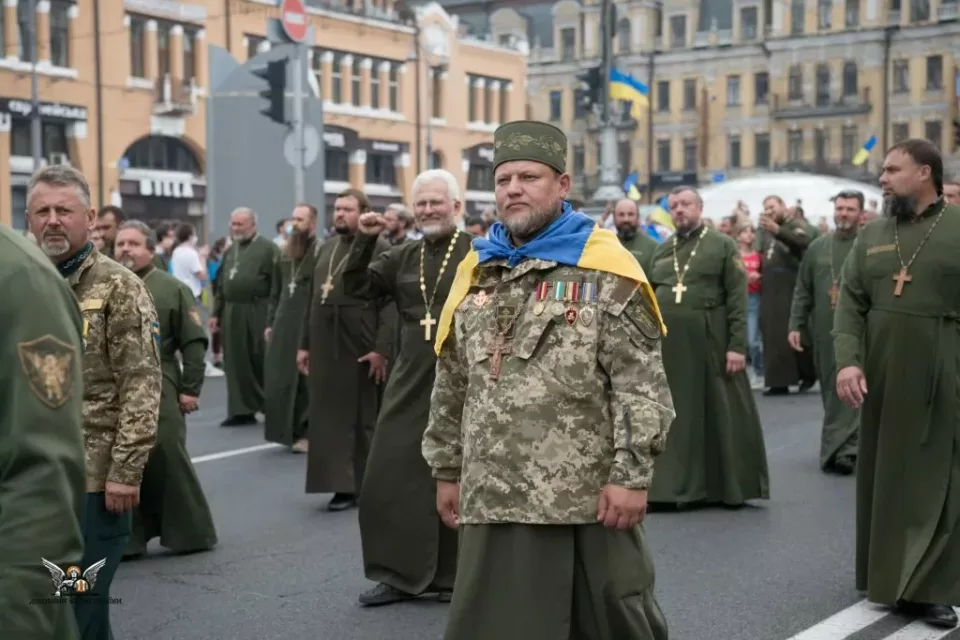
This is the number of religious communities of the OCU included in the list of those deemed “critical” for deferral from mobilization of their leaders. The total number of such religious organizations in the DESS list is 7,726.
At the same time, as we reported earlier, the head of the OCU, Epiphany Dumenko, said that as of 2025, 9,000 religious communities belong to the OCU.
What does this mean? It means that either the OCU does not have the declared 9,000 religious communities, or they do not have 9,000 clergy, but only 1,894. This, in turn, means that each OCU clergyman has an average of 4-5 parishes.
The version that the OCU did not submit all of its clergy for exemption from mobilization is untenable, since the list of OCU ministers was submitted to the DESS in an organized manner, not randomly. That is, the dioceses of the OCU, having previously received a corresponding notification from the center, forwarded the information to the metropolis of Dumenko, and he (of course, not personally, but through authorized persons) submitted the list to the DESS.
Thus, the following picture is most likely. The OCU may indeed have 9,000 religious communities registered, including those captured from the UOC, but the number of service personnel (let’s call them that) is in reality only 1,894 people, which, of course, does not allow them to fully serve what they have “acquired through hard work.” As we wrote earlier, the OCU has taken a bite out of a pie that it cannot even survive, let alone swallow.
At the same time, the latest information published by the DESS on this subject indicates that OCU supporters are given the opportunity to “approve” their representatives or interested parties. In other words, the OCU still has more than 7,000 vacant positions that can be “sold” to those who need them. For example, to family members, sponsors, and other interested parties. Thus, there is a corruption component that the OCU may well exploit.
P.S. The data does not include the 192 communities of the “Kyiv Patriarchate” because it is difficult to understand to whom they are subordinate, Dumenko or Denisenko.
Read also