OCU leader in Chernivtsi urges authorities to ensure access to churches that have "transferred" to the OCU
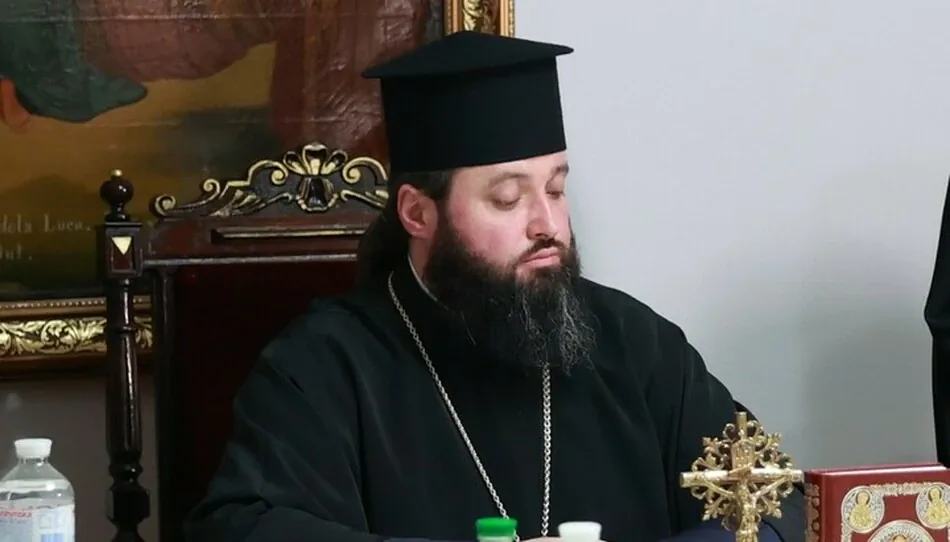
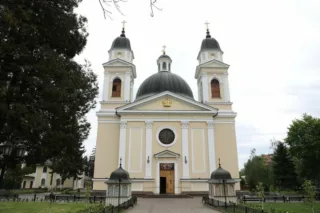
The head of the Chernivtsi diocese of the Orthodox Church of Ukraine (OCU), Feognost Bodoryak, believes that the state and law enforcement agencies must ensure unhindered access for the OCU’s “clergy” and “parishioners” to churches that, in his view, have “transferred” to the jurisdiction of the OCU. He stated this on June 18 during a briefing, commenting on the events around the Holy Spirit Cathedral in central Chernivtsi. This was reported by Ukrinform.
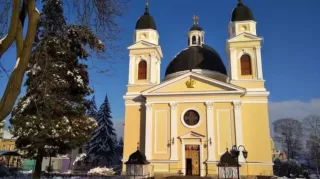
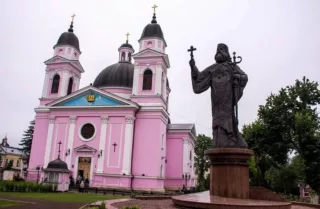
According to Bodoryak, on June 17, OCU priests were planning for the first time to hold a “service” in Ukrainian at the church, responding to the request of part of the “local community”. However, he accused believers of the UOC of disrupting the plan. As he claimed, UOC parishioners dismantled the fence, damaged the entrance doors, and entered the church, thus preventing the service from taking place.
When asked by a Ukrinform correspondent why law enforcement agencies are unable to enforce decisions on the “transfer” of churches to the OCU, and whether future attempts to force entry could happen again if the state continues to remain inactive, Bodoryak responded:
“I think these questions should be addressed to them — they are the guarantors of the Constitution and the laws of Ukraine, so they must take responsibility. …We must understand that we are not raiders; we are not seizing anything and do not intend to. Since we are unable to take back what is ours — this is Ukrainian, this is ours. And the community that decided to break all ties with the Russian church will continue to defend its truth. We believe the state and law enforcement must ensure people can exercise this right.”
Earlier, historian and political scientist Kostyantyn Bondarenko commented on the events surrounding the Holy Spirit Cathedral in Chernivtsi, describing them as part of a broader campaign of pressure on the Ukrainian Orthodox Church. According to him, cases of forceful interference in the affairs of religious communities have become a notable feature of Ukrainian practice in recent years.
Read also