UOC hierarch: Banning the Church is a path to conflict within society
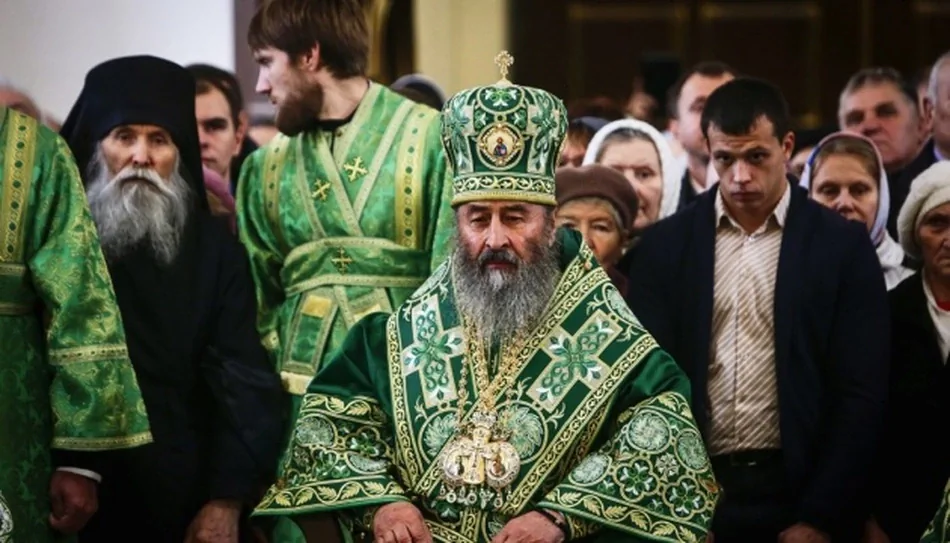
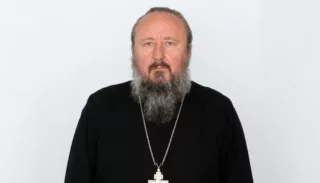
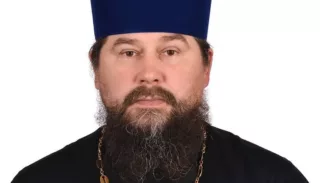
Metropolitan Luke of Zaporizhia and Melitopol, a hierarch of the Ukrainian Orthodox Church, pointed to discriminatory measures taken by the state against the UOC with the aim of persuading the Church’s priests to transfer to the OCU. Among other things, Metropolitan Luke mentioned the forced mobilization of UOC clergy, which makes it impossible for them to perform their pastoral duties. The bishop’s words were reported by the press service of the Zaporizhzhia Eparchy of the UOC.
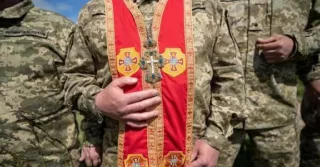
“The Ukrainian government has not included the clergy of the UOC in the list of leaders of critically important sectors who are entitled to exemption from mobilization. At the same time, the OCU, the Roman Catholic Church, Greek Catholics, Protestant communities, Krishnaites, and Buddhists have this opportunity. They are critically important, but we are not. The clergy of the UOC are automatically excluded from the mechanism of protection of their ministry, even in peaceful parishes. This creates artificial inequality between religious organizations, although they all operate on the basis of the same Law on Freedom of Conscience. This situation exacerbates feelings of discrimination among believers and undermines the unity of our society,” – said Metropolitan Luke.
The bishop added that the Ukrainian Orthodox Church does not refuse to serve society in wartime. However, attempts to restrict and discriminate against the UOC turn believers against the state and do not contribute to the unification of Ukrainian Orthodoxy.
“The Church does not refuse to serve the people in wartime. The UOC blesses helping people, chaplaincy, prayer, and social service. But the forced mobilization of priests without taking into account their pastoral mission is a violation of the right of believers to spiritual care. The place of a priest is before the Altar, with the suffering and needy or at the bedside of the dying, not with weapons in the trenches. Banning the Church and excluding priests from conscription is not the state’s path to peace, but to conflict within society. The UOC, like any other religious or secular structure, can be subject to criticism, but not repression. The law must be fair. And the Church must be free. The Church is not closed; people are led to the Church. And only love is more convincing than the law. Strangely, those who pursue anti-church policies do not understand a simple thing: attempts by the state to pressure the UOC do not stimulate but hinder the unification of Orthodox Christians. When conversions are forced, under threat of prohibition or mobilization, fear and resistance arise in communities. People do not want to be instruments of political decisions or forced choices—they want conscious decisions. State pressure is often perceived by parishioners as injustice and discrimination. As a result, people side with their clergy because they are afraid of losing their church, priest, and traditions,” – he said.
Earlier, we reported that regional media in the city of Pereyaslav (Kyiv region) are demanding that communities of the Ukrainian Orthodox Church, in which supporters of the OCU have seized churches, be prohibited from conducting services in adapted premises. Opponents of the UOC in Pereyaslav believe that in this way the communities of the canonical Church violate sanitary and fire safety standards, and that the law “On Freedom of Conscience” allegedly prohibits religious events in unsuitable premises altogether.
Read also