Constitutional Court of Ukraine decides on the issue of alternative service during mobilization
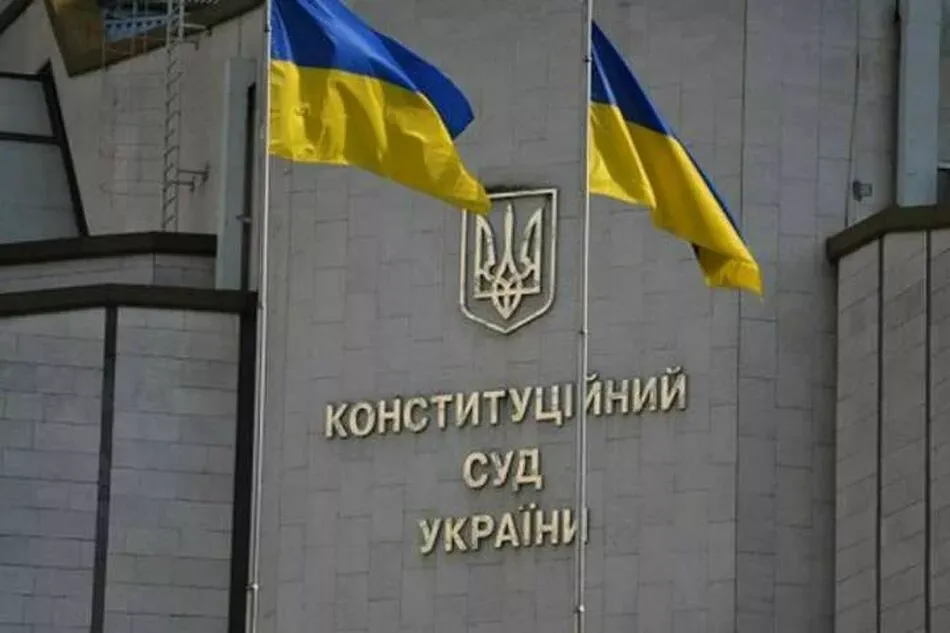
The Constitutional Court of Ukraine has started to consider a case on the possibility of performing alternative (non-military) service on the basis of religious beliefs during mobilization. The case was prompted by complaints filed by two citizens convicted of refusing to serve during martial law, who consider the current legislation unconstitutional.
According to the Telegram channel Pravblog, the constitutional complaints were filed by Sergei Ivanushchenko, a minister of the Jehovah’s Witnesses religious organization, who was sentenced to a real term of imprisonment, and Vitaliy Alekseenko, who received a suspended sentence. Their sentences under Article 336 of the Criminal Code (evasion of conscription by mobilization) were upheld by all judicial instances, including the Supreme Court.
The applicants challenge the provisions of the 1991 Law on Alternative Service, arguing that it only allows for the substitution of compulsory military service, which is not currently performed in Ukraine. In their view, this effectively deprives believing citizens of the right to alternative service during mobilization and contravenes Article 35 of the Constitution of Ukraine, which guarantees freedom of conscience and religion.
The judge-rapporteurs emphasized that this issue affects the fundamental relationship between the right to freedom of conscience and the constitutional obligation of every citizen to defend the country. After the open part of the session, the Second Senate of the CCU went into closed session to make a final decision.
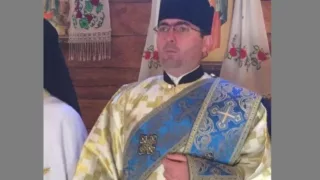
We will remind, earlier we reported that Dikansky district court sentenced a man who refused to receive a summons for military service, because he belongs to the religious organization “Seventh-day Adventist Church”. He holds the position of “deacon”, so he cannot serve in the army. In particular, his religion forbids him to take up arms and work on Saturdays.
Read also