An ancient temple in the Netherlands has been turned into a Holy Padel tennis court
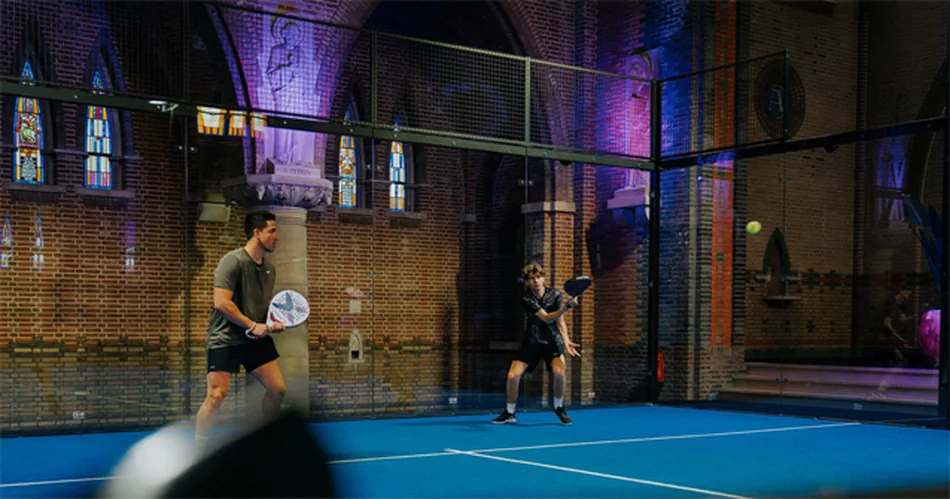
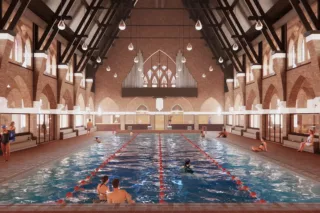
In the Dutch city of Arnhem, an ancient church has been converted into a sports complex for playing padel tennis, receiving the controversial name “Holy Padel” (“Holy Padel”). According to media reports, this project has caused a wide public outcry and renewed the debate on the permissibility of using former sacred objects for commercial purposes.
Itis about the former St. Joseph’s Church, which has been empty for about twenty years. The initiator of the conversion was entrepreneur Roland Verhey, who had previously turned another church into a crossfit gym. According to him, the goal of the project was to “breathe new life into the building”. Now the walls of the church house courts for padel, a type of tennis that is gaining popularity in Europe.
However, many locals and social media users found the initiative sacrilegious. The project has been criticized for commercializing sacred space under the guise of sports. In particular, the very name “Holy Padel” is called a “mockery of faith”, and the transformation of the temple into a sports ground is called an “attraction”.
On the official website of the project, the organizers advertise “a unique experience of playing Padel in a historic church,” stressing that the building “has preserved the atmosphere of the past,” although only the walls remain from its former purpose. This case has become another occasion for discussions in the Netherlands about the fate of former churches, which are increasingly being turned into bars, restaurants and gyms, which, according to some, indicates a spiritual crisis in Europe.
Recall that in the village of Edgcumb, that in the county of Cornwall in the south-west of Britain, put up for sale the building of the Methodist Church of the late XIX century. It is noteworthy that the object is offered to purchase not for religious use, but for the purpose of conversion into a private residential house. The cost of the lot – 195 thousand pounds sterling, or about 10.8 million hryvnias.
Read also