The head of Russia's Catholics refused to sign a statement in defense of persecuted Christians
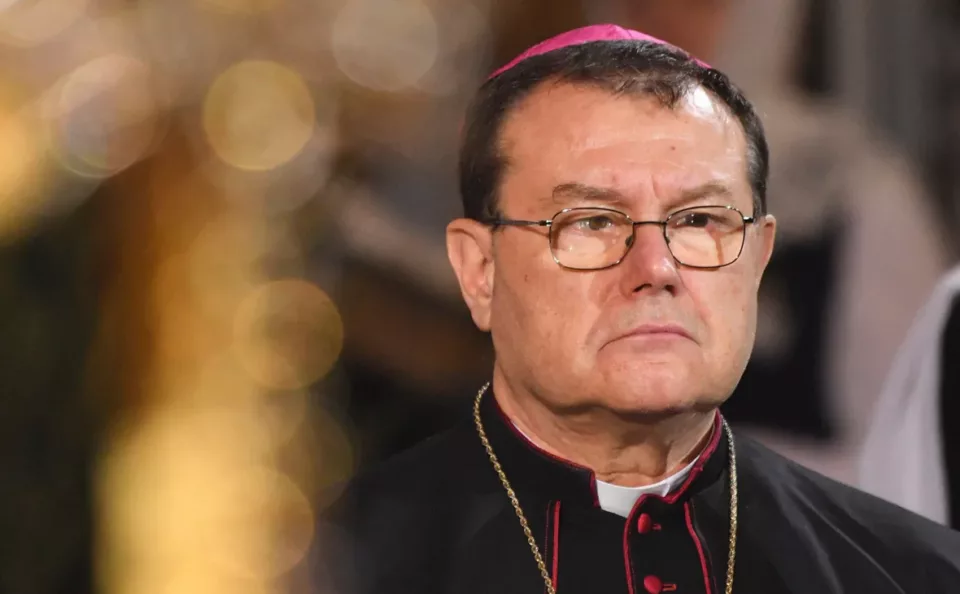
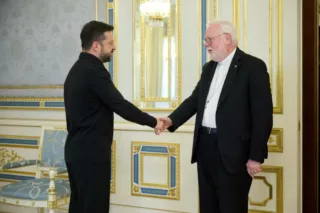
Archbishop Pavel Pezzi, head of the Russian Catholic Bishops’ Conference (RCCER), has not supported the statement of the Christian Interfaith Consultative Committee (CICC) in defense of persecuted Christians in Ukraine, Moldova, Estonia and Armenia. According to RIA Novosti, such a position of the head of Russian Catholics raises serious questions, especially considering that the text of the document also mentions Catholic believers.
Archbishop Pezzi’s refusal to sign the document of the KMCC has become a subject of discussion because, according to RIA Novosti sources in the Russian Orthodox Church, the statement, firstly, directly referred to the protection of Catholic believers. Secondly, it is noted that in other regions of the world, where sensitive interfaith issues are present, representatives of the Catholic Church are often very active in supporting such good initiatives dictated by Christian responsibility.
The Christian Interfaith Consultative Committee (CICC), established in 1993, is the largest inter-Christian platform in Eurasia. The committee is traditionally co-chaired by representatives of the Russian Orthodox Church, one of the Protestant denominations (by rotation) and the Roman Catholic Archdiocese of the Mother of God in Moscow.
Amid Archbishop Pezzi’s silence, the agency drew attention to the position of the head of Latin Rite Catholics in Ukraine, Archbishop Mieczyslaw Mokrzycki of Lviv. On the contrary, Mokrzycki supported the law banning the Ukrainian Orthodox Church (UOC), which in fact can be regarded as a statement in support of persecution against it.
We would like to remind you that earlier we reported that the representatives of the member churches of the Christian Interfaith Consultative Committee (CICC), the largest inter-Christian association in the Eurasian space, expressed deep concern over the ongoing harassment and violations of Christian rights in a number of countries. The statement published on the KMCC website focuses on the situations in Ukraine, Moldova, Estonia and Armenia.
Read also