PACE calls for a total ban on "conversion therapy," including religious practices, and increased promotion of LGBT ideology
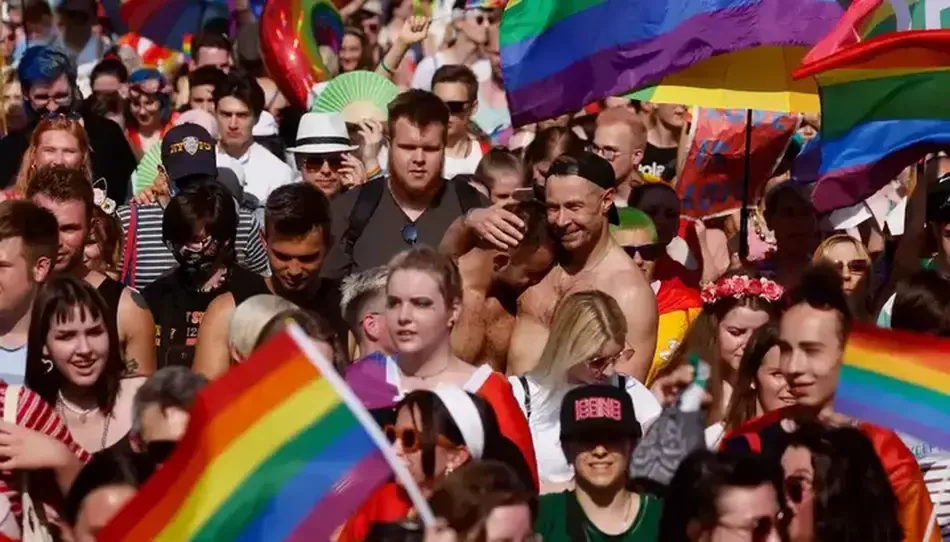
The Parliamentary Assembly of the Council of Europe (PACE) has called for a total ban on so-called “conversion therapy”. This ban covers a wide range of practices, including religious and pastoral forms of assistance aimed at changing sexual orientation or gender identity. In addition, PACE urged its 46 member states to strengthen the promotion of LGBT ideology among children and to criminalize the use of “conversion therapy” in health care, education and religion.
Thesaid resolution was adopted by the Parliamentary Assembly of the Council of Europe on January 29, 2026. The document defines “conversion therapy” as any action aimed at enhancing heterosexual attraction or bringing gender identity in line with the sex assigned at birth. This includes not only psychological and behavioral counseling, but also spiritual and religious rituals and other forms of influence.
The resolution lumps together under the umbrella term violent practices a very wide range of approaches, from direct coercion to spiritual and pastoral care, including prayer for people with gender dysphoria. The move has generated considerable debate as it affects religious freedom and the right of parents to raise their children.
PACE has also called on member states to strengthen the promotion of LGBT ideology among children, which critics say could lead to restrictions on the rights of parents, doctors and clergy to dissuade young people from hormone therapy and sex reassignment surgery. Criminal prosecution of “conversion therapy” practices in various spheres of society is expected to pose a serious challenge to traditional approaches to gender and sexuality.
Recall, it was previously reported that in Canada, Protestant minister Derek Reimer faced the threat of imprisonment after publicly criticizing an event for children with the participation of trans artists. His refusal to sign a court-required written apology aggravated his legal situation, sparking a debate about freedom of speech and religion in the country.
Read also