"They must be expelled in accordance with wartime laws": OCU spokesperson on UOC monks at the Kyiv-Pechersk Lavra
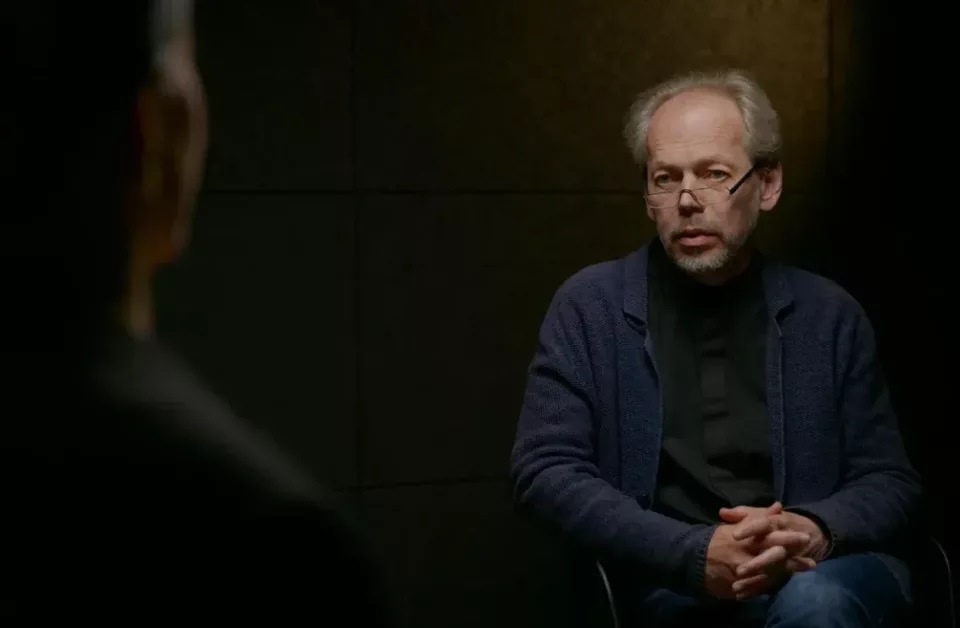
Georgiy Kovalenko, a cleric of the OCU, commented on the current situation surrounding the eviction of monks of the Ukrainian Orthodox Church from the Kyiv-Pechersk Lavra, emphasizing the deliberate delay of court proceedings. According to Kovalenko, the monastic community of the UOC should be dealt with “in accordance with wartime laws,” and only then should the legality of such a decision be examined in court. He spoke about this in a recent interview with the publication “Ukrainska Pravda.”
Kovalenko believes the main problem is that the judicial system under wartime conditions continues to rely on principles from peacetime. He is convinced that the first-instance court’s decision to terminate the agreement, issued back in January 2023, should have been enforced immediately, and any further proceedings could have taken place only after the actual eviction.
During the conversation, the cleric noted that the UOC side is actively using “delaying tactics”: constant challenges to judges, failure to appear at hearings, and the filing of counterclaims. According to him, such actions are aimed at delaying the enforcement of binding rulings in anticipation of a hypothetical change in power or the conclusion of military hostilities on terms favorable to them.
“The Moscow Patriarchate’s goal is to drag things out until any moment that postpones the enforcement of the eviction order,” — Kovalenko concluded, adding that the leadership of the UOC is likely awaiting the end of the Russian-Ukrainian war and the start of peace talks.
As a reminder, we previously reported that approximately 140 monks and novices of the Ukrainian Orthodox Church continue to reside on the grounds of the Lower Kyiv-Pechersk Lavra, despite the termination of the agreement with the monastery. This was announced by Maksym Ostapenko, head of the Kyiv-Pechersk Lavra National Reserve, who noted that the issue of the monks’ continued stay must be resolved in court.
Read also