Euthanasia for terminally ill patients has been legalized in New York State
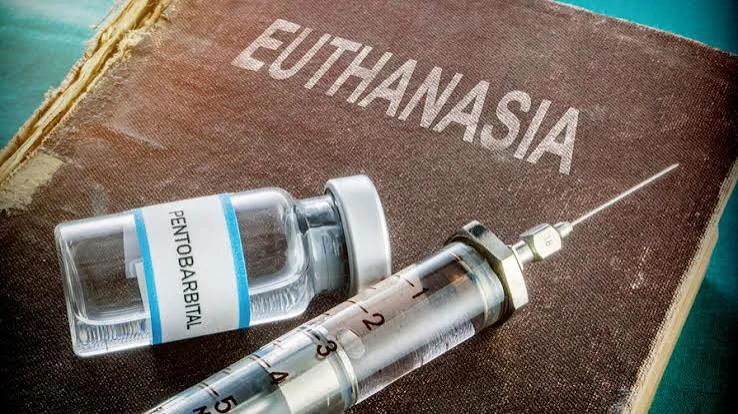
On August 5, 2026, a law officially went into effect in New York State allowing euthanasia for citizens with terminal illnesses. The new law allows adult patients with a life expectancy of less than six months to access life-ending medications, as reported by Politico on .
Under the established rules, the procedure requires strict oversight, including a mandatory psychiatric evaluation. Furthermore, the patient must administer the lethal dose of the medication entirely on their own.
The passage of the law sparked widespread public outcry and mass protests. Representatives of the Catholic Church, as well as organizations advocating for the rights of people with disabilities and medical associations, have spoken out against this initiative. Opponents of the law express concern that the legalization of euthanasia poses a serious threat to the most vulnerable segments of the population, including the elderly and the seriously ill, and contradicts the fundamental principle of preserving life.
During the court proceedings, four Catholic monastic communities succeeded in obtaining a temporary exemption from participating in the new program. The court ruled that the authorities have no right to compel members of the clergy to counsel patients on obtaining lethal medications or to assist in processing such requests.
Despite active opposition from human rights advocates and religious organizations that insist on the development of palliative and hospice care, supporters of the law have stated their intention to promote similar initiatives in other U.S. states.
Read also