In Lviv they organized a hunt for UOC believers who gather for prayer in private homes
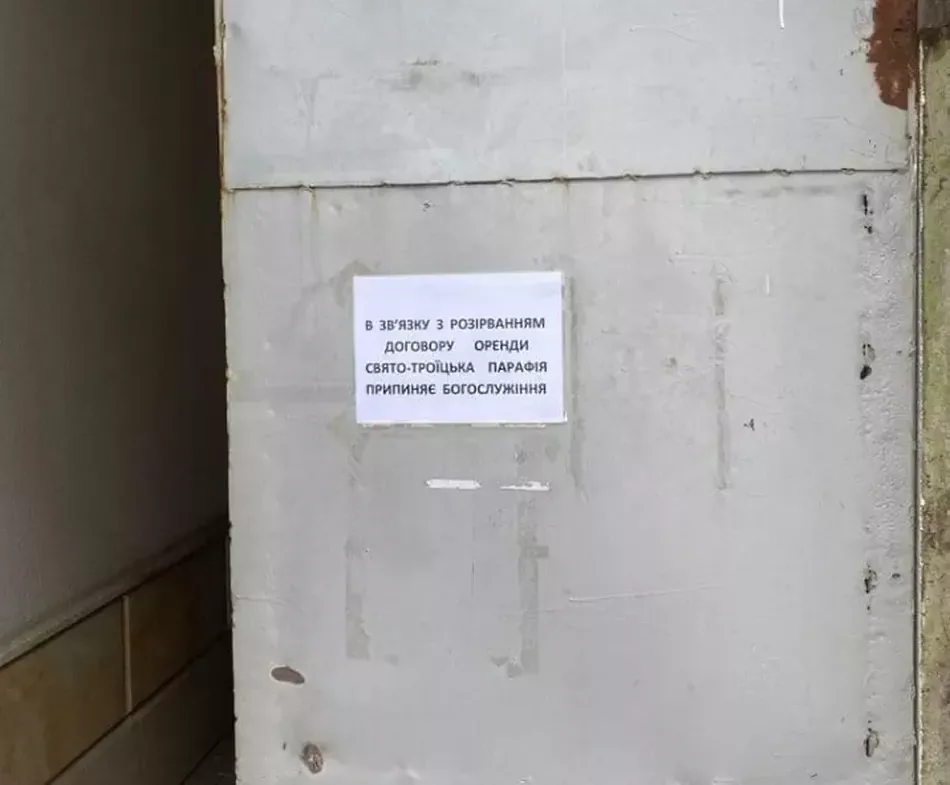
In Lviv, local residents and radical activists, with the support of the Lviv City Council, are tracking down places where believers of the Ukrainian Orthodox Church could gather for prayer, given that they do not have church facilities to hold full services. The activists prevent local UOC communities expelled from their churches from renting premises and adapting them for temporary churches. At the same time, they are also monitoring private residences where believers could gather for prayer. This was reported by Espresso.
It is reported that radical activists and residents of Lviv forced a resident to deny the right to rent the premises to the Holy Trinity religious community of the Ukrainian Orthodox Church, which had set up a temporary church in it. However, the woman’s refusal was not enough, and they began to put pressure on the city council to exert additional pressure on her, as they believe that believers still gather for prayer in the premises.
“Last year, the owner of the property terminated the lease agreement with the parish of the Holy Trinity of the Moscow Patriarchate, which operated at 100 Antonovycha Street. Information was posted on social media that supporters of that church continue to gather there. I personally called the owner of the property to ask if there was anything we didn’t know. She assured me that she had not renewed the contract with the church and that there was no church in her building. If anyone has any doubts, she does not mind if activists or relevant services come to her and check this information,” – said Yevhen Boyko, the manager of the executive committee of the Lviv City Council.
As reported, The Lviv Regional State Administration demands that the 11 remaining religious communities of the Ukrainian Orthodox Church in the region join the OCU by the end of the year. According to the relevant officials of the regional state administration, this should take place as part of “decommunization” and the fight against the UOC in the region.
Read also