Earlier, we reported that the United Nations published the final report of the Office of the United Nations High Commissioner for Human Rights, which points out the inconsistency of the norms of the scandalous law No. 3894, aimed at banning the activities of the Ukrainian Orthodox Church, with international law. The document states that Ukraine failed to substantiate the need for and proportionality of measures aimed at banning religious organizations.
“Let's start with the Kiev Metropolitanate": the head of the SSERF told how the connection of the UOC with Russia will be established
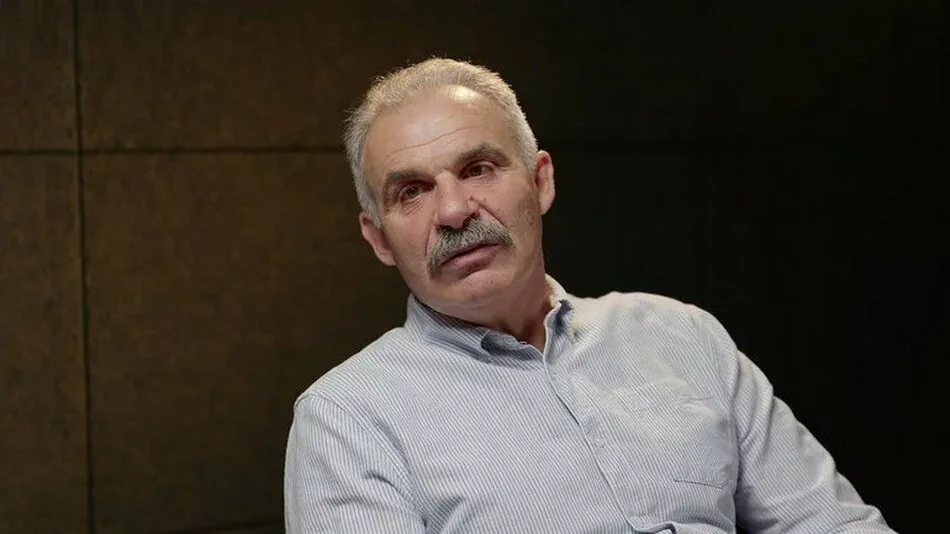
The head of the State Service of Ukraine for Ethnic Policy and Freedom of Conscience, Viktor Yelensky, spoke about the procedure for establishing the Ukrainian Orthodox Church’s affiliation with Russia. Yelenskyy said that the Kyiv Metropolis of the UOC will be checked first, followed by diocesan administrations and ordinary parishes. Yelensky said this in an interview with Detector.Media.
“The Ukrainian Orthodox Church of the Moscow Patriarchate is an association, not a legal entity. But it has a center, that is, the Kyiv Metropolis. If it is found out that the Ukrainian Orthodox Church of the Moscow Patriarchate is part of the Russian Orthodox Church, then they will be sent an order stating what this connection or, in legal terms, affiliation is. It may be that, for example, the head of this church is a member of the Synod of the Russian Orthodox Church. And even historically, he has been a member of the Synod. This is a sign that they are part of the ROC. Further, the bishops of this church are members of the ROC bishops. There will also be an order to “please leave,” – Viktor Yelensky explained.
In addition, Yelensky added that to be convincing, representatives of the UOC should publicly declare their withdrawal from structures and organizations associated with the Russian Orthodox Church. Otherwise, the UOC will fall under the provisions of anti-church law No. 3894 and will be banned.
“Their defenders can say that the situation is beyond their control. That is, that they have left the Russian organization, but Russians continue to consider the UOC-MP part of the Russian Orthodox Church. Therefore, they seem to be unable to influence what the Russians say in their country. But this situation is provided for by law. Then they should write to them: “Dear ROC members, we are no longer part of your church, we are not members of the Synod, the Bishops, the Synodal Commissions, or the so-called inter-council presence.” That is, to publicly renounce these ties and actually no longer participate in these structures,” – says Viktor Yelensky.
Read also