Ban on the UOC Contradicts International Law — SSEFC Expert
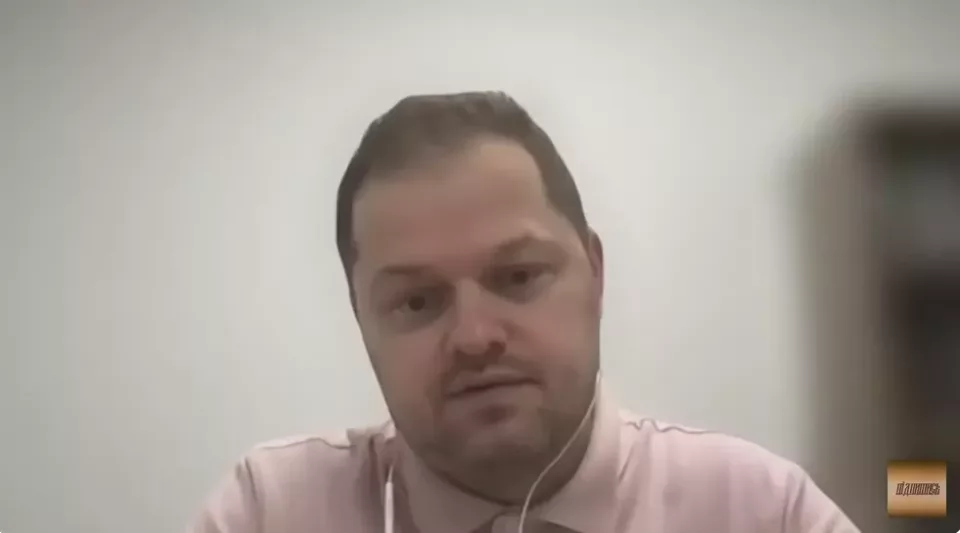
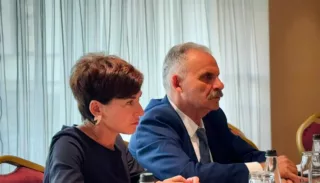
Legal scholar and religion expert Dmytro Vovk stated that the law allowing the ban of religious organizations due to ties with the Russian Orthodox Church violates international standards and replaces individual responsibility with collective punishment. He expressed this opinion in an interview on the “Viche” YouTube channel.
“From the perspective of international law, there are no grounds to ban such an organization,” the expert emphasized.
Vovk reminded that international law permits state interference in the activities of religious organizations only in cases of proven illegal conduct.
“A state cannot ban a particular religion… but it may ban religious organizations… only in cases of their unlawful actions,” he explained.
He stressed that merely being in canonical connection with the ROC is not, from a legal perspective, grounds for prohibition.
“Canonicity is a kind of metaphysics… law is not a very suitable tool for regulating such matters.”
In this context, Vovk warned of the risks of applying collective responsibility, which is incompatible with the rule of law. In his view, the new law effectively allows the state to target not specific offenders but entire religious bodies.
“How can you repress canonicity? It’s like putting a dead man in prison.”
“Deregistering and banning a religious organization is an extremely problematic step for the faithful — not just for its leadership,” Vovk added.
The key question, according to him, is whether the law truly enhances the security of the state:
“Did the law bring more security to Ukraine or not? The answer to that determines whether the law is beneficial.”
As a reminder, Ukrainian MP Oleksandr Aliksiichuk from the “Servant of the People” party recently complained from the parliamentary podium that, ten months after the adoption of anti-church law No. 3894, the ban on the Ukrainian Orthodox Church had still not taken effect. He urged the State Service for Ethnopolitics and Freedom of Conscience to speed up dealing with the Church and called on the Security Service of Ukraine to influence DESS on the matter.
Read also