OCU spokesman expresses doubts about possible autocephaly of UOC
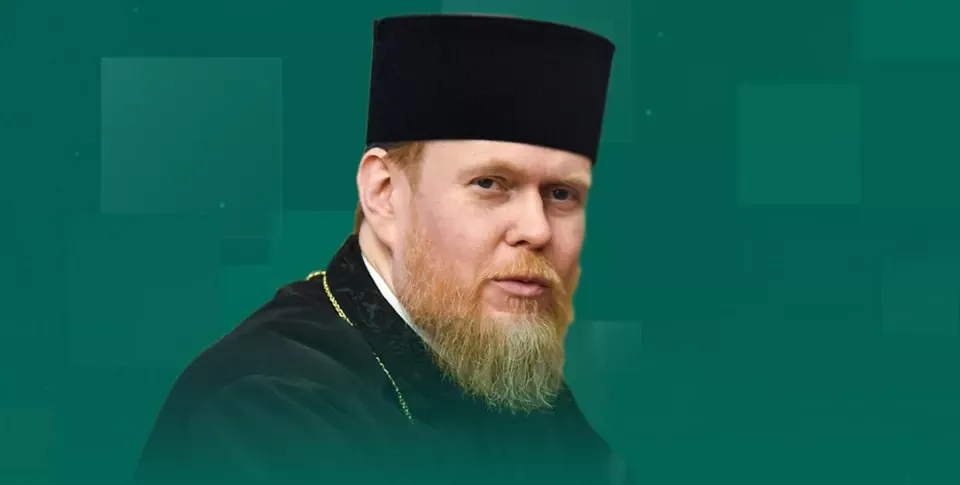
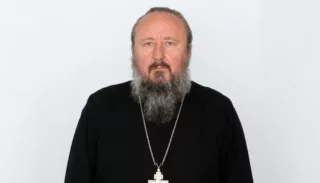
OCU spokesman Yevstratiy Zorya expressed his opinion on the discussions about the possible autocephaly of the Ukrainian Orthodox Church that have arisen among the UOC bishops. Zorya is convinced that the “belated disputes” over autocephaly among the hierarchs of the canonical Church will not lead to a proper result, but will only help to “let off steam” and create the appearance of rapid activity in this direction.
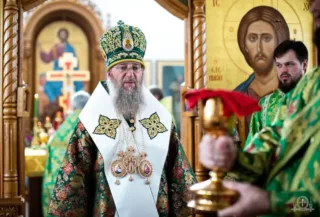
According to Espresso.TV, citing a column by Yevstratiy Zoria, the key figures in the dispute are the rector of the UOC Academy, Archbishop Sylvester (Stoichev) and the UOC Chancellor, Metropolitan Anthony (Pakanych). Archbishop Sylvester has publicly stated that autocephaly for the local church is a normal phenomenon, not a split. At the same time, Metropolitan Anthony and his allies defend the position that autocephaly for the UOC is “not in time” and will lead to “division.”
According to Zorya, this debate is not so much about the church structure as it is about the fundamental question of Ukrainian identity. It reflects the internal struggle within the UOC between recognizing Ukraine as an independent state with a unique history that has the right to its own church and perceiving it as only part of “Holy Rus” that is temporarily outside of imperial control.
The OCU spokesperson recalls that the issue of the need for autocephaly for the Ukrainian Church was raised in 1917-1918, but its resolution was prevented by the lack of independent statehood. Later, in 1990-1991, both branches of Ukrainian Orthodoxy conciliarly reaffirmed their desire for autocephaly as the most acceptable form of government.
Despite the fact that the discussion began decades late, the OCU representative doubts its practical results. He draws a parallel with the attempts to reform the CPSU at the end of its existence (“democratic platform”) and build “socialism with a human face,” hinting at the low probability of real changes in a structure deeply linked to the past.
As a reminder, the Chancellor of the Ukrainian Orthodox Church, Metropolitan Anthony (Pakanych) of Boryspil and Brovary, presented an analysis of the history of autocephalous movements in Ukraine in the twentieth century, concluding that they were invariably associated with political shifts rather than internal church needs. According to the hierarch, the desire for autocephaly was seen mainly as an attribute of statehood, not as a means of salvation, which led to splits and historical instability.
Read also