Papua New Guinea has officially declared itself a Christian nation
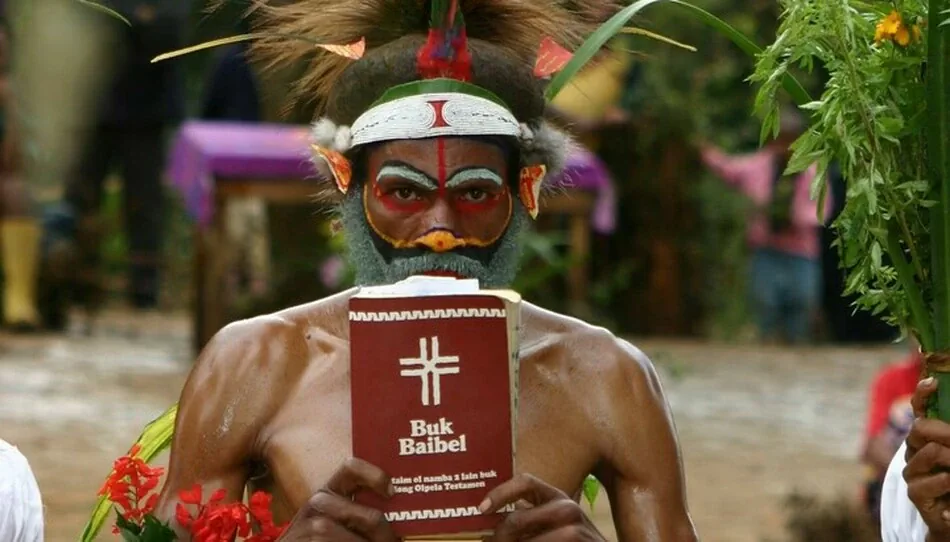
Papua New Guinea has amended its constitution to officially declare itself a Christian nation. The key change is in the preamble to the basic law, which now recognizes the Holy Trinity as the source of power and creator of the universe. The move emphasizes the deep influence of Christianity in the country and places it among the nations with an officially established religion.
According to Christian Newswire, the updated preamble added the following clause: “We the people … recognize and proclaim God the Father, the Son Jesus Christ and the Holy Spirit as our Creator and Preserver of the whole universe, and as the source of our authority and power delegated to the people and all persons residing within the geographical jurisdiction of Papua New Guinea.” This change formalizes the status of Christianity, which has historically played an important role in society.
The source emphasizes that this decision goes against some stereotypes, as Papua New Guinea is one of the most culturally and linguistically diverse countries in the world. With a population of about 10 million people, the country has more than 820 languages and a white population of only 0.02%. According to the author of the original article, this demonstrates that the adoption of Christian identity at the state level is not related to ethnic or cultural homogeneity.
The publication also suggests that Papua New Guinea’s experience could be an example for other countries. The author argues that such a step could benefit the whole society, including non-Christians, promoting the values of love and kindness and creating a safer environment for all citizens.
Recall, a new sociological study in the United States revealed growing contradictions in the views of Americans on the Bible and the foundations of the Christian faith. According to the results, almost half of the respondents consider the Holy Scripture a collection of myths, not the Word of God. At the same time, a significant proportion of respondents also doubt the divinity of Jesus Christ, although they recognize the Bible as an authoritative guide to life.
Read also