Religious scholar Chernomorets accuses UOC leadership of unwillingness to break ties with ROC
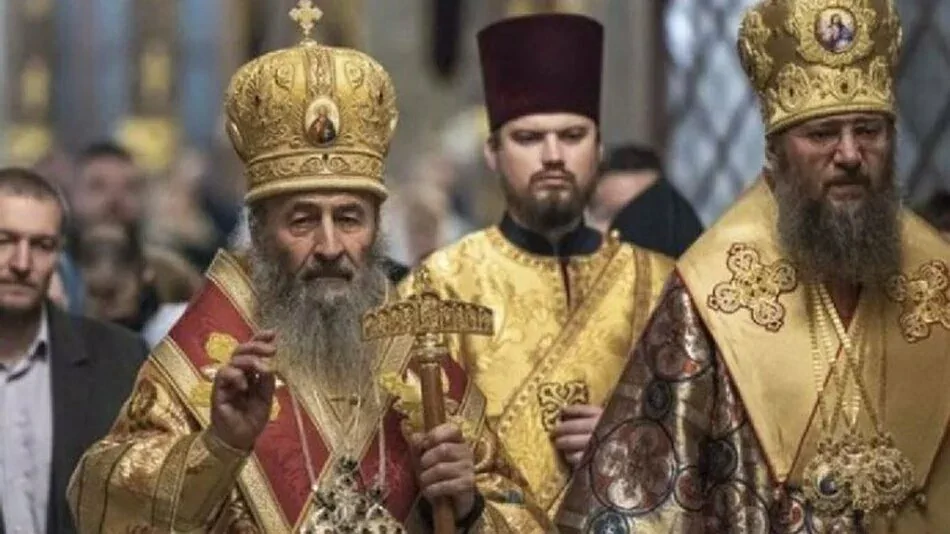
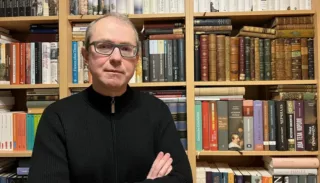
The leadership of the Ukrainian Orthodox Church has no real intention of severing canonical ties with the Russian Orthodox Church and is deliberately delaying the process, hoping to maintain its current status after the war. This assessment of the current situation was given by Doctor of Philosophy, Professor Yuriy Chernomorets, whose article was published on the RISU portal.
According to the media outlet, the expert believes that the UOC hierarchs hope to receive guarantees of their continued existence in Ukraine as a result of post-war reconciliation. In his opinion, all the internal discussions about the possible canonical status, autocephaly or exarchate are only a show, designed to distract believers from a clear understanding of the canonical realities.
Yuriy Chernomorets emphasizes that both the Moscow Patriarchate and Phanar perceive the UOC episcopate as the episcopate of the Russian Orthodox Church in Ukraine. He recalls that in the official directories of the Patriarchate of Constantinople, starting in 2019, the hierarchs of the UOC are not recognized as legitimate diocesan bishops. In particular, Metropolitan Onufriy is referred to not as “Kyiv and All Ukraine” but as “Onufriy, Metropolitan in Kyiv.” The next step on the part of Constantinople, according to the expert, may be the recognition of the UOC as an “unauthorized assembly” or even a “split” for not recognizing the decisions to restore the Kyiv Metropolis in its bosom and grant autocephaly to the OCU.
The expert also notes that if the leadership of the UOC really sought independence, the canonical path would involve filing an appeal to the Patriarchate of Constantinople as the highest authority. However, according to Chernomorets, no official appeals have been made to either Patriarch Bartholomew or the primates of other autocephalous Churches. This, in his opinion, testifies “to the true desire of the UOC leadership not to leave the ROC.”
From the point of view of the Patriarchate of Constantinople, the Ukrainian church issue has been resolved by the granting of the Tomos of autocephaly to the OCU. As the professor reminds us, the bishops of the UOC had and still have the opportunity to join the OCU, retaining their sees. Moreover, the UOC could have agreed on an autonomous status within the OCU, like the ROCOR in the ROC. However, for the hierarchs of the UOC, in his opinion, the key is recognition by the ROC, which they consider their mother church. “And since the leadership of the Russian Orthodox Church categorically denies the possibility of recognizing the autocephaly of Ukrainian Orthodoxy by Moscow, the delay in separation from Moscow is de facto a continuation of the UOC-MP’s stay in the ROC,” concludes Yuriy Chernomorets.
As reported, the speaker of the OCU, Yevstratiy Zoria, expressed his own opinion on the discussions about the possible autocephaly of the Ukrainian Orthodox Church that have arisen among the UOC bishops. Zorya is convinced that “belated disputes” about autocephaly among the hierarchs of the canonical Church will not lead to the proper result, but will only help to “let off steam” and create the appearance of rapid activity in this direction.
Read also