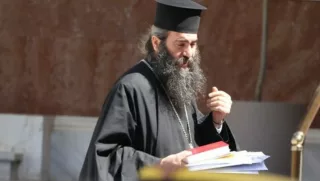
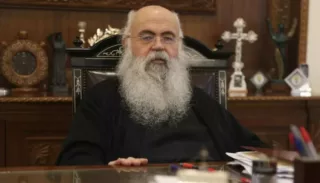
The Holy Synod of the Church of Cyprus meets urgently to address key institutional issues
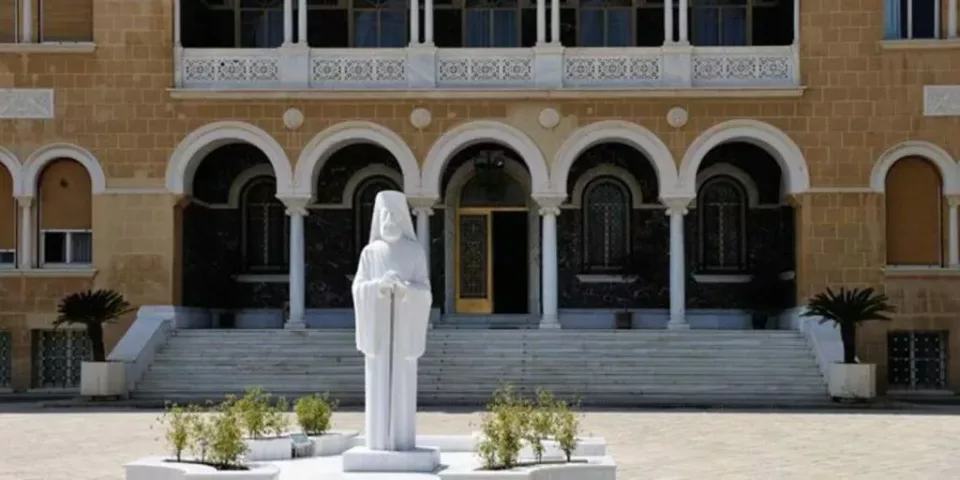
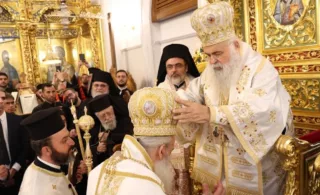
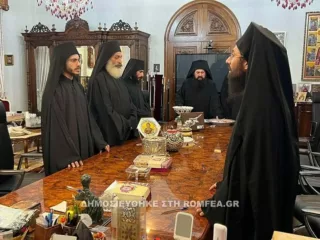
The Holy Synod of the Orthodox Church of Cyprus is holding an extraordinary meeting today to consider a number of unresolved institutional issues. On the agenda are the case of Bishop Tychicus, who has appealed to the Supreme Court, proposals to amend the Statutes of the Church of Cyprus presented by the Archbishop, and the situation with the monks of the Abbacum Monastery, whose “sacraments” raise serious questions about canonical validity.
According to Orthodox Times, Christopher Evstafiou, a spokesman for the Holy Archdiocese of Cyprus, explained that the case of Bishop Tychicus, although previously discussed, cannot be considered closed because of his appeal to the Supreme Court. The Holy Synod is awaiting official notification from the court of the appeal in order to take an institutional and responsible position. Mr. Eustafiou recalled that one of the key conditions of the Synod for the bishop’s reinstatement was to refrain from appealing to the civil courts. If this is officially confirmed, the situation will change dramatically.
Christopher Eustafiou emphasized that the recourse of clerics and bishops to civil courts is an extremely serious issue both from the canonical and ecclesiastical point of view. He noted that there is a clear sacred canon prohibiting clergy and bishops from appealing to civil courts. In this context, the confirmation of such an appeal would be an act of disobedience with potentially severe consequences, including deposition.
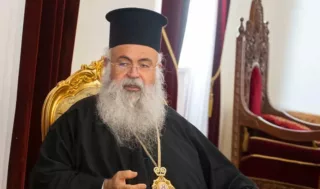
According to Eustafiou, an even more serious problem is the issue of amending the Statutes of the Church of Cyprus. The archbishop will present his comprehensive proposal aimed at improving the administration of ecclesiastical justice and removing ambiguities or contradictions between articles that currently create practical difficulties. The centerpiece of the proposal is the procedure for the election of bishops and metropolitans. His Beatitude proposes to separate this process from the election of the Archbishop by excluding the participation of the laity in the initial stage of selecting the three candidates for bishops and metropolitans. However, the election of the Archbishop would remain unchanged. Any amendment to the statutes requires a three-fourths majority vote of the Holy Synod. The same session will consider the possibility of institutionalizing vicar bishops, especially in large metropolises, who could play a supporting role and participate in the meetings of the Holy Synod, as chorepiscopal bishops do, thus influencing decision-making.
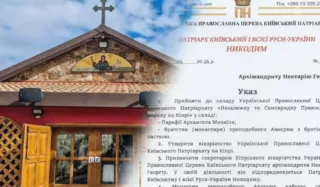
Special attention is paid to the issue of the monks of the monastery of Avvakum, which is also on today’s agenda. Mr. Eustafiou noted the heightened sensitivity within the Holy Synod to information and visual materials that attest to the administration of the sacraments by these monks. Regardless of the accuracy of this information, the Synod feels it is its duty to clearly inform the public to avoid a false impression of the validity of these sacraments, as they are not recognized or valid under the circumstances.
The representative of the Archdiocese explained that the main concern at this stage is not the immediate imposition of disciplinary measures (especially since civil trials are still ongoing and have been postponed several times), but the clear and responsible communication of the status of monks to the faithful. He concluded that the issue remains open and is turning into a lengthy process, which makes proper public communication by the Church even more necessary.
Recall that we previously reported that the suspended Metropolitan Tihik announced his intention to appeal to the civil courts of the Republic of Cyprus in January 2026. His goal is to seek reinstatement as ruling bishop of the Paphos Metropolis, as he considers the decisions taken against him to be unlawful.
Read also