The Archdiocese of Western European Parishes of the Russian Tradition intends to elect auxiliary bishops without consulting Moscow
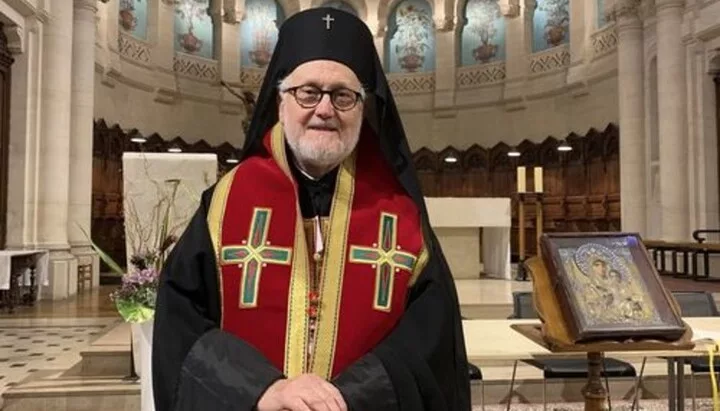
The Archdiocese of Orthodox Churches of the Russian Tradition in Western Europe is considering the possibility of holding elections for vicar bishops unilaterally, without obtaining approval from the Moscow Patriarchate. According to OrthoChristian, this proposal was put forward by Metropolitan John of Dubnino ahead of the upcoming diocesan assembly, which will take place on June 26–27, 2026.
According to Metropolitan John’s statement, the decision was prompted by Moscow’s lack of response to requests from the archdiocese sent as far back as 2023. Of the three candidates proposed at that time, only one was approved—Hegumen Augustine (Macbeth), who was consecrated in 2025. According to the head of the diocese, the other candidates have received no response despite repeated reminders, which jeopardizes pastoral work given the shortage of bishops in France, Germany, and Italy.
At its May meeting, the Archdiocesan Council concluded that the Patriarchate’s prolonged silence is effectively paralyzing the mechanism for governing the diocese, as established in the 2019 Charter, which was adopted upon reunification with the Moscow Patriarchate. In this regard, a motion to apply an “exceptional procedure” for the election will be put to a vote, which would allow for the confirmation of Archimandrite Victor (Kretsu) and Archpriest Anatoly Negruta as bishops.
In his address, Metropolitan John also cited the precedent of the Latvian Orthodox Church, which independently elected a bishop in 2023 while maintaining canonical communion with the Patriarchate. It should be recalled that one of the archdiocese’s key demands during its transition from the jurisdiction of the Patriarchate of Constantinople in 2019 was precisely the need to ensure freedom in the election of bishops for the development of the church structure.
It should be recalled that in 2019, the Archdiocese of Western European Parishes of the Russian Tradition withdrew from the Patriarchate of Constantinople and joined the Russian Orthodox Church. As a result of this decision, the hierarchy of the Patriarchate of Constantinople in Western Europe attempted to take measures by issuing “decrees of suspension from ministry” against clergy who had transferred to the Russian Orthodox Church.
Read also