The scholar conducted a critical analysis of the historical narrative of the OCU
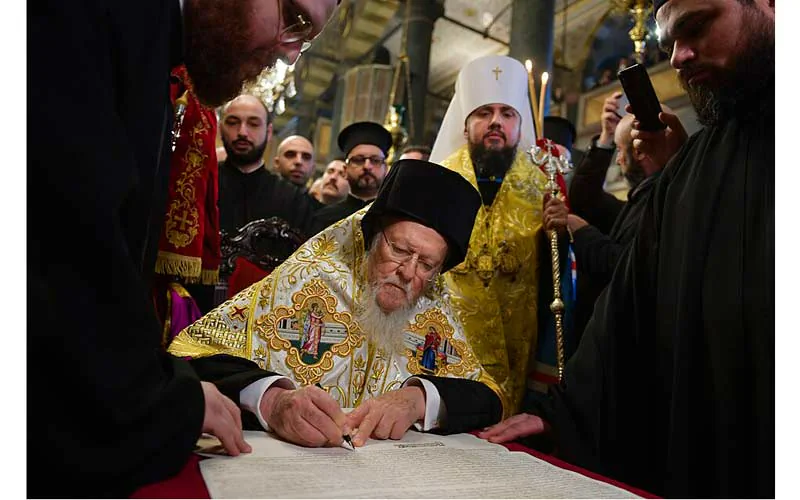
Historian Oleksandr Gronsky offers a critical analysis of the historical concept promoted by the OCU. According to the researcher, this organization, established in 2019, is actively shaping a “Ukrainized” view of the past, which is largely ideological in nature and aimed at justifying the status of a national church by reinterpreting the history of Orthodoxy in the region. He wrote about this in his article on the Zivotcrkve.rs portal ( ).
The publication notes that OCU ideologues use terminology that differs from classical historiography, introducing the concept of “Rus-Ukraine” in reference to the Old Rus’ state. Gronsky emphasizes that such interpretations, as well as claims of an “eternal confrontation” between Russians and Ukrainians in the Middle Ages, are anachronisms, since such national identities did not exist during those periods.
The analysis pays particular attention to the interpretation of events in church history, such as Prince Andrei Bogolyubsky’s campaign against Kyiv in 1169 or the history of the Kyiv Metropolis in the Grand Duchy of Lithuania. The author points out factual inaccuracies in the OCU’s materials, noting that attempts to identify a “Ukrainian church” in the 15th century or to characterize the Pinsk Congregation of 1791 as a progressive step are aimed at legitimizing the current policy of autocephaly. The researcher concludes that the current leadership of the OCU uses ethnic and political rhetoric, substituting historical truth with a nationally oriented narrative that aligns the activities of church structures with ideological projects.
Read also