Threatened with closure: up to 2,000 UK churches could cease to exist by 2030
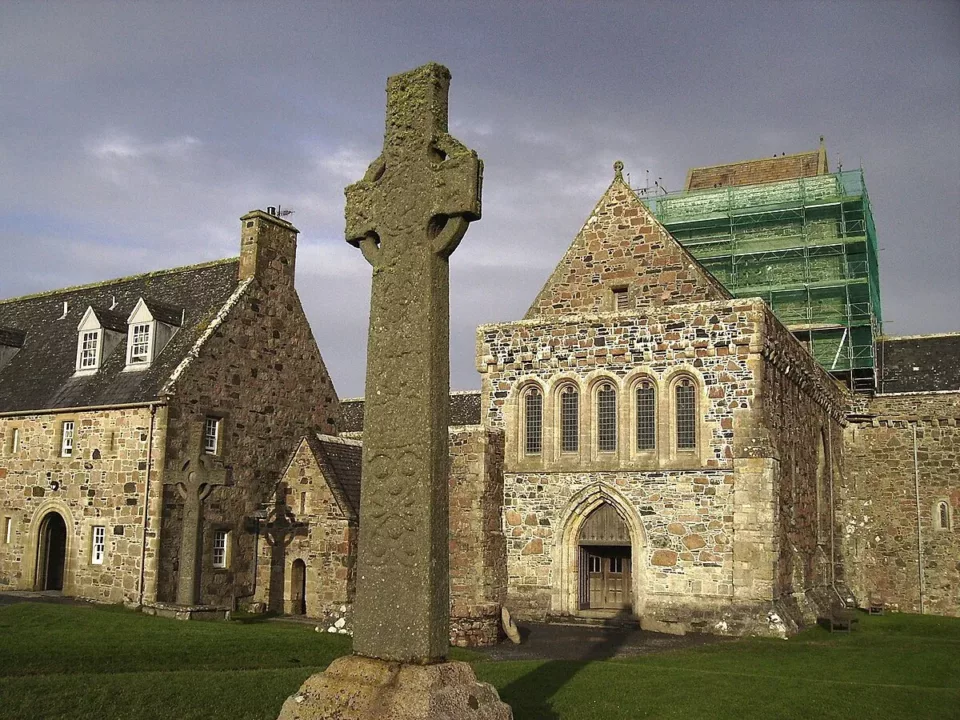
Up to 2,000 churches in the UK are at risk of closure by 2030. This alarming conclusion was reached by the National Churches Trust in a survey conducted among parishioners. The main reasons for the potential decline were cited as a decline in rural life, pressure on religious denominations and financial difficulties.
According to Christian Today, citing the Christian Today newspaper, the survey was conducted in May-June 2025 by the charity, whose aim is to protect historically significant churches. The survey included 3,600 parishioners from England, Scotland, Wales and Northern Ireland. While most congregations look to the future with some optimism, 5% of those surveyed expressed uncertainty that their temple would survive until 2030. Nationally, this means that one in twenty congregations could cease to exist in the next five years, equivalent to around 2,000 churches.
Churches in rural areas showed particular vulnerability. As many as 7% of respondents from the English countryside expect their churches to close in the coming years. If this sad prediction holds true, some 900 rural churches will close in the next five years – a huge figure for a relatively small country like Britain.
The survey also revealed some differences by denomination. Methodists (12% believe their church could close by 2030) and Presbyterians (9%) expressed the greatest degree of uncertainty, doubting the future of their churches. Baptists and Independents also expressed notable concern. State Church of England congregants, who make up the largest proportion of congregations, were the least concerned about the risk of closure (just 4%). However, even this figure could mean the closure of nearly 700 Anglican parish churches, including around 40 in Wales.
Parishioners of Category I listed churches (such buildings are under special government protection as sites of special historical or architectural importance) expressed a high degree of confidence in their preservation. However, respondents visiting temples of category II or not protected by the state at all showed much less optimism. Notably, parishioners of cathedrals expressed full confidence that their shrines will still be functioning in 2030.
Overall, the study emphasizes that despite the retention of most church buildings, the combined effects of declining rural life, pressure on religious denominations and financial problems could lead to the closure of some 2,000 churches in Britain. As a reminder, Britain, with a population of 67 million, currently has approximately 40,000 parish churches, of which about 16,000 are owned by the state Church of England. Many of them have deep historical roots connected with the ancient saints of these lands.
As a reminder, in the United States, up to 15,000 churches are expected to close this year. This is due to significant changes in the religious landscape of the country, resulting in a decline in the number of parishioners and financial hardship for many congregations.
Read also