Lawyer of the Kyiv Metropolitan Church said about provocation in the court in the case of its banning
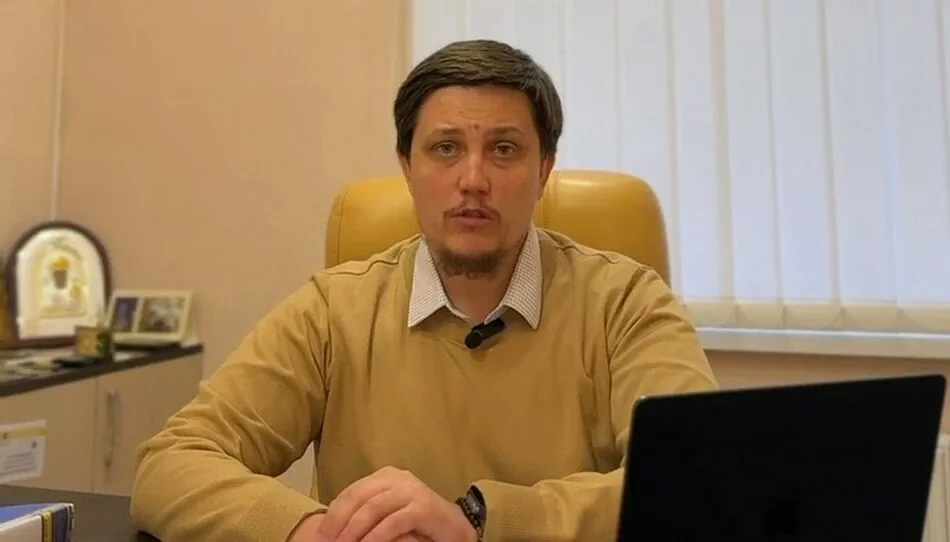
The proceedings on the lawsuit to ban the Kyiv Metropolitanate of the Ukrainian Orthodox Church faced unexpected obstacles. on December 11, 2025, Archpriest Nikita Chekman, a lawyer for the Kyiv Metropolis, claimed provocation in court. The consideration of the case, which was to take place in the Sixth Administrative Court of Appeal, was postponed, and the materials were transferred to the Administrative Court of Cassation to resolve the issue of appealing the ruling of the court of first instance.
According to the lawyer, the court received more than 7 thousand applications from UOC believers from all regions of Ukraine with a request to join the case as third parties. Citizens believe that the decision to ban the Kyiv Metropolitanate of the UOC will violate their constitutional rights and freedoms as believers.
Archpriest Nikita Chekman paid special attention to the incident of provocation. Judge Kobal, presiding over the case, notified the representatives of the parties that money was found in one of the envelopes allegedly sent by a believer. The judge immediately contacted the Superior Council of Justice and informed law enforcement of the incident.
“In my deep conviction, this fact is nothing but a provocation of people hostile to the Ukrainian Orthodox Church. The goal is very simple: to provoke criminal proceedings, to start an investigation, to put pressure on people who go to court and realize their constitutional rights to access to justice,” Archpriest Nikita Chekman emphasized.
The lawyer called on all believers to strictly observe the law, not to give in to such provocations and refrain from any illegal actions. He also added: “We understand what strategies our procedural opponents may use. But we know that God is with us.”
Recall, earlier we reported that the consideration of the case on the liquidation of the Kiev Metropolitanate of the Ukrainian Orthodox Church (UOC) was postponed indefinitely. The reason for this decision was the absence of necessary case materials in the court of first instance.
Read also