How the trial of the UOC may be linked to the end of the war
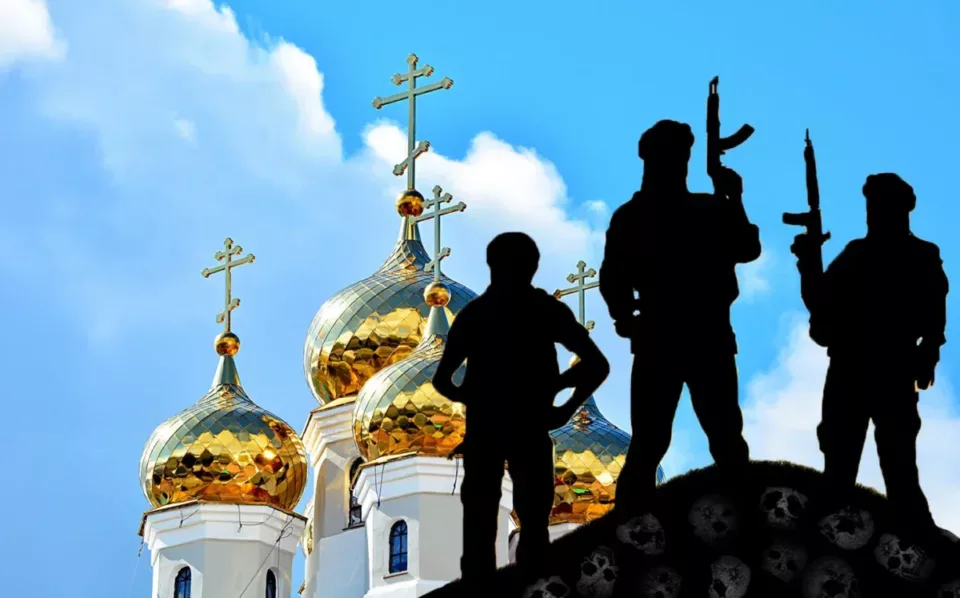
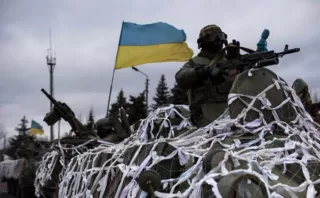
Ukraine and the EU are preparing – or pretending to – for possible peace talks that should lead to the end of the Russian-Ukrainian war. Among other items the sides propose to address in the upcoming talks, the issue of “diversity of cultures and religions” is also mentioned.
“Kiev and Moscow ‘strengthen mutual understanding and respect for the diversity of languages, cultures and religions,'” the list of proposals on the way to a peaceful settlement cited by the media stated. You don’t need to be an expert to realize that this paragraph veiledly points to respect for the rights and interests of the Ukrainian Orthodox Church. Russia simply has no other “religious interests” in Ukraine.
Of course, this does not mean anything and it is quite possible that the Ukrainian-European side is simply leading Russia around by the nose, offering to Russia those things that the Russians have repeatedly brought into the sphere of their interests. However, in view of the ongoing internal crisis, which threatens a social upsurge, failures on the front, as well as pressure from the U.S. and partners, it is likely that the Ukrainian side will have to reset the situation.
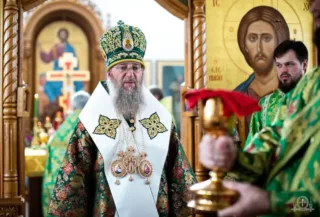
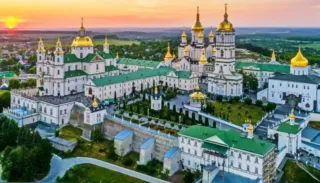
Thus, today’s trial over the UOC, which has already dragged on unnaturally, will most likely be brought to the point of banning the Kyiv Metropolitan Church of the UOC. With this decision, the authorities will actually take the Church hostage in order to bargain for something worthwhile from Russia instead of its freedom and rights. This scenario, by the way, is quite favorable for the Russian side. After all, if everything develops exactly as we write, Russia will cement the status of “protector of Orthodoxy”, thus leveling any pro-autocephalous movements within the UOC.
From this, in turn, will receive political satisfaction and in the Ukrainian authorities. After that, it will be much easier to secure the status of “pro-Russian” for the UOC, while at the same time keeping the Church “in check,” regularly tightening or loosening the reins as necessary. In addition, the believers of the Church will be automatically driven into a conditional reservation, membership in which will fix for them the label of unreliability with the subsequent aggravation of policy towards them if necessary.
Thus, even if the war is over in the near future, it is not certain that the peace will last long. If the current situation persists, “scapegoats” and “extremists” will be appointed one way or another and they will continue to be under scrutiny, and it will always be convenient to get back at them or accuse them of something in order to start a new round of conflict. Unfortunately, the Ukrainian Orthodox Church is also on these lists and at any time can be used as a trigger for the resumption of the Russian-Ukrainian war.
Read also